Home Cinema Seating Layout: Sight Lines, Row Spacing, and Platform Engineering
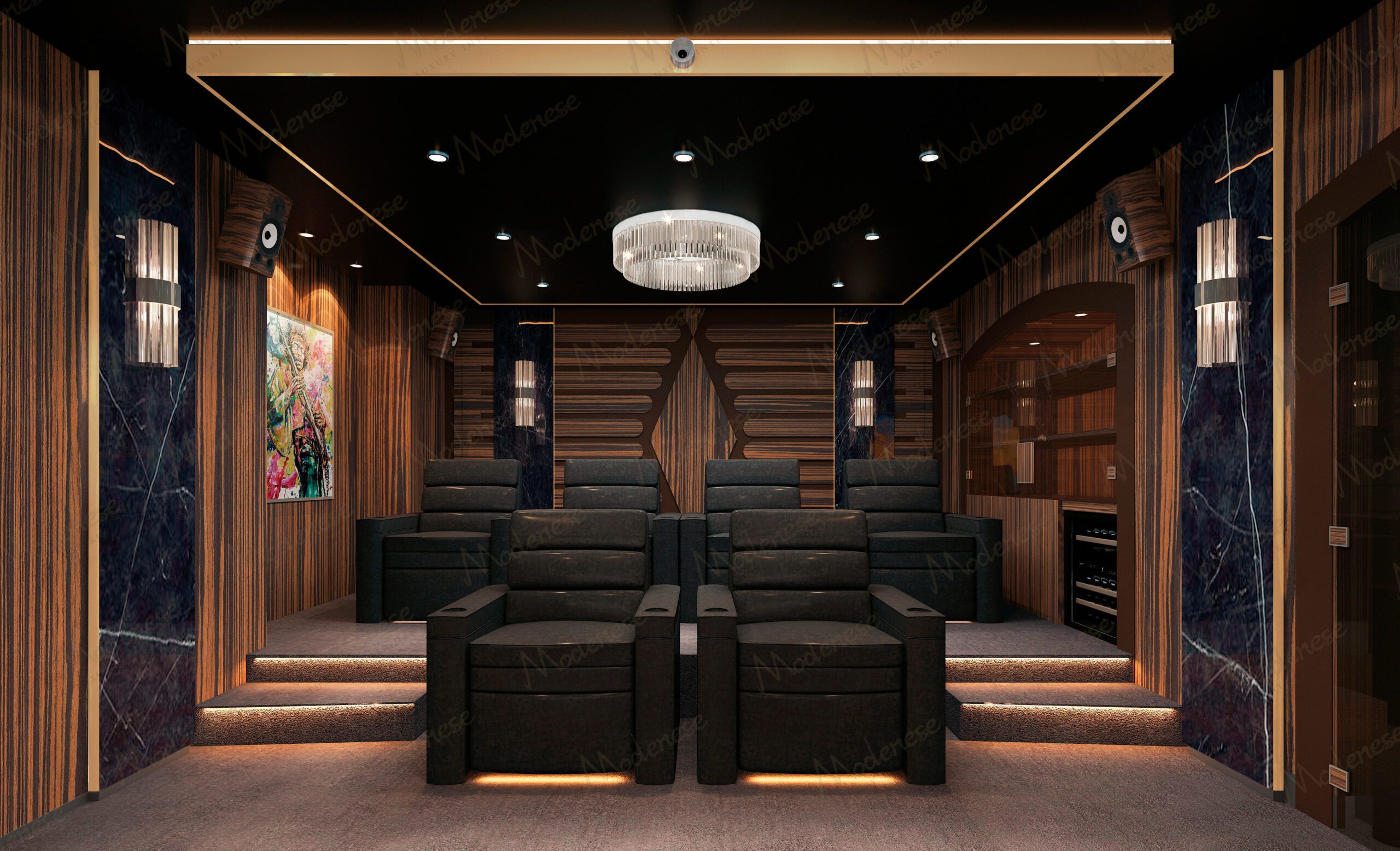
Seating Layout Determines Whether a Home Cinema Performs Like a Theater or a Living Room
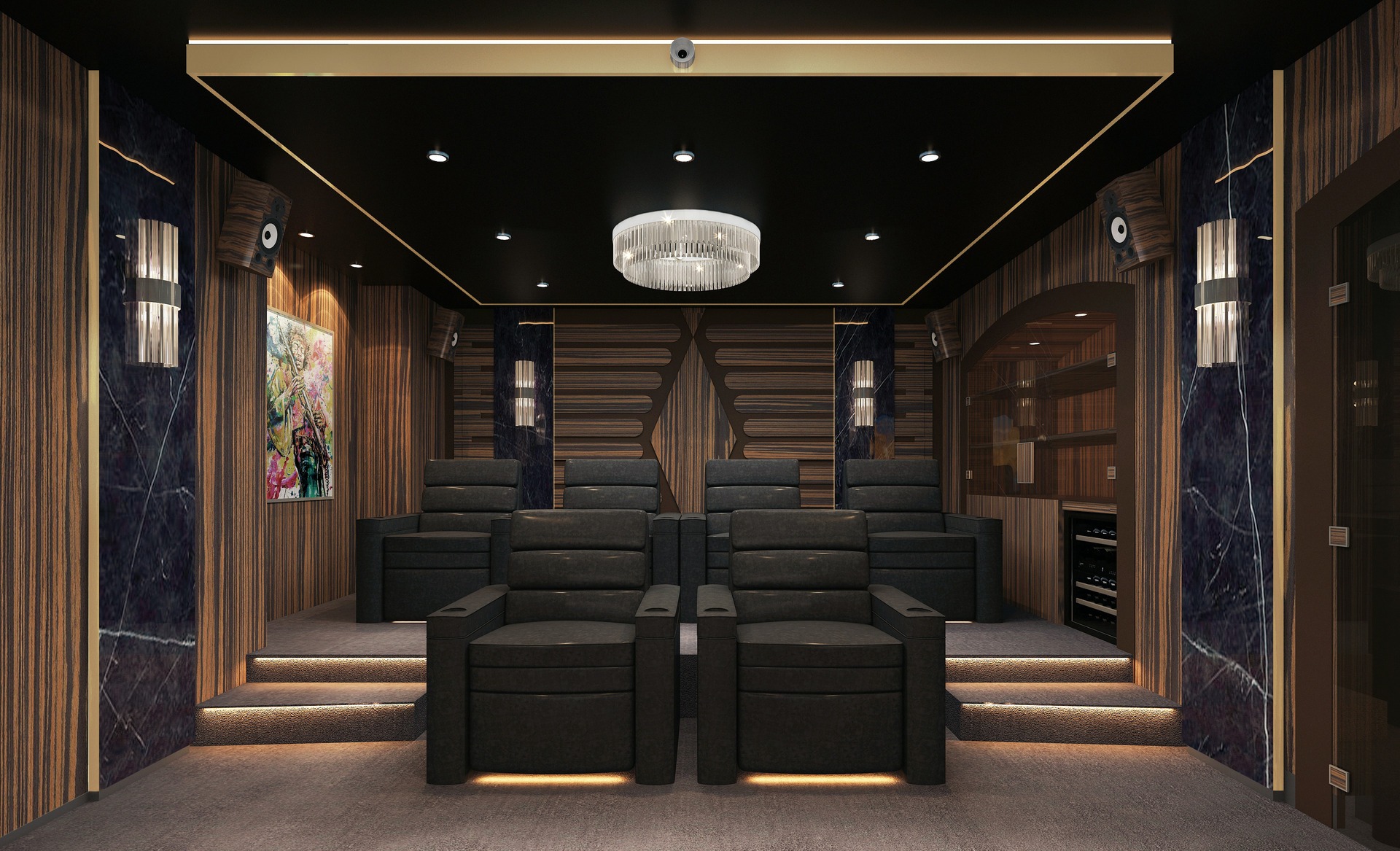
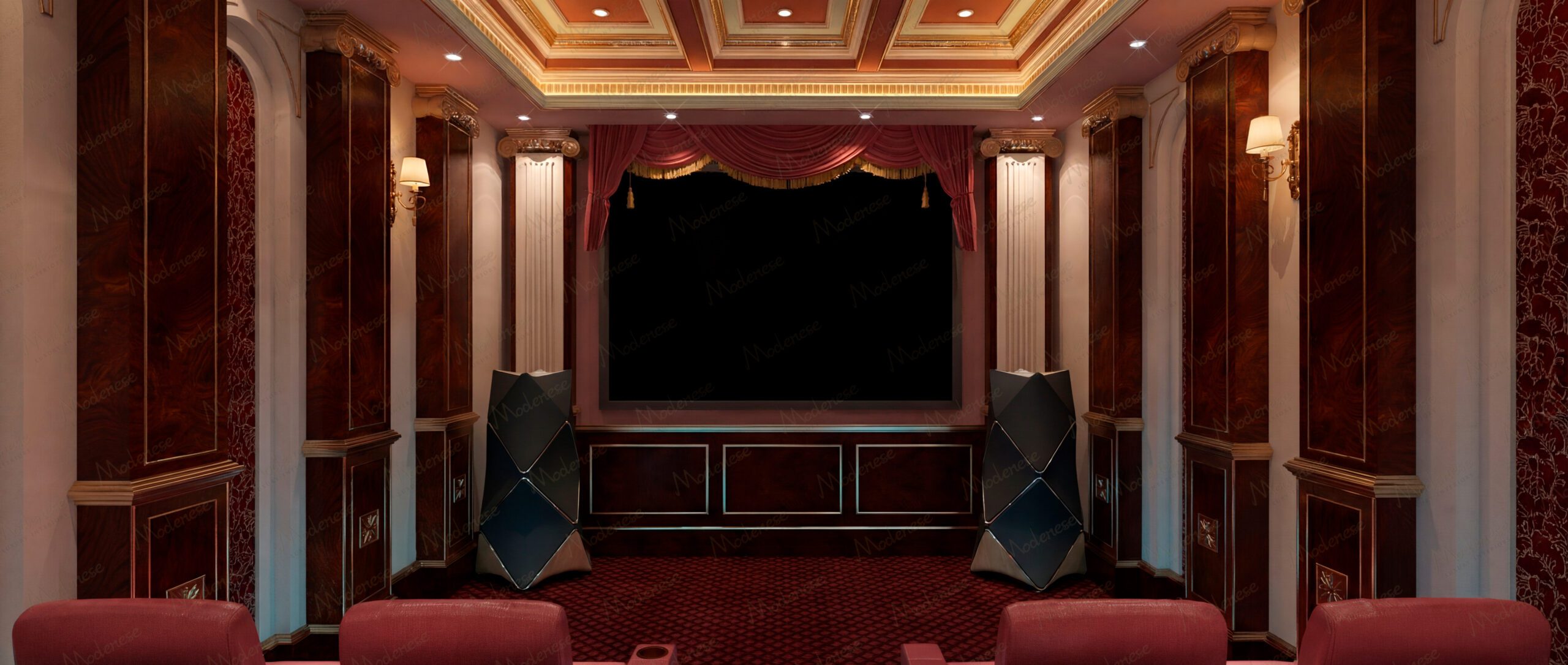
A luxury home cinema with a reference-grade projector, properly calibrated speakers, and acoustic treatment will still underperform if the seats are in the wrong positions. Seating layout is the mechanical foundation of the viewing experience — it determines sight lines to the screen, audio coverage from the surround system, and physical comfort during screenings that run two to three hours. This article covers the engineering of seating placement, platform construction, and seat selection for private cinemas with 4 to 20 seats.
Screen Size and Viewing Distance
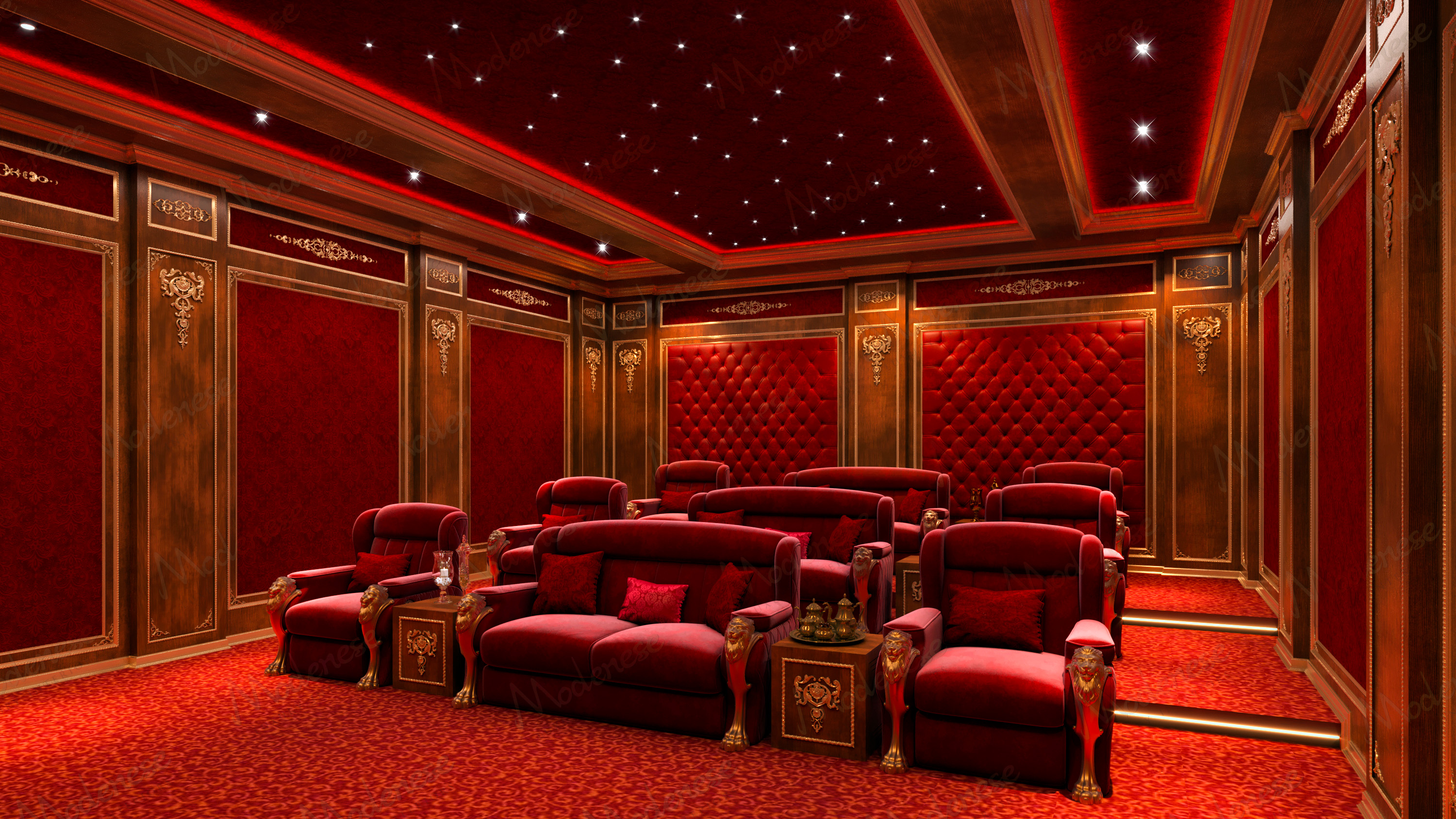
THX recommends a viewing angle of 36 degrees from the farthest seat to the screen edges. For a 3-meter wide screen (approximately 130 inches diagonal at 2.35:1 aspect), the maximum viewing distance is 4.7 meters. SMPTE’s recommendation is slightly wider at 30 degrees minimum, placing the maximum distance at 5.7 meters for the same screen.
The first row should not sit closer than where the viewing angle exceeds 40 degrees — for the same 3-meter screen, the minimum distance is approximately 3.6 meters. Between 3.6m and 4.7m is the optimal zone. Place the primary listening position (the “money seat”) at 65-70% of the room length from the screen wall, which in most residential rooms also coincides with the smoothest bass response.
Row-to-Row Spacing and Recliner Clearance
Standard theater seating (fixed back, fold-up seat) requires 900-1000mm row spacing. Reclining seats — standard in high-end residential cinemas — require substantially more. A full-recline mechanism extends 400-500mm behind the seat back’s upright position. Minimum row spacing for full recline without the headrest touching the row behind: 1400mm from seat center to seat center.
For a two-row cinema, this means the second row platform sits 1400-1500mm behind the first row. With a front-row distance of 3.8m from the screen, the second row sits at approximately 5.2m — still within the THX viewing angle for a 3-meter screen.
Three rows push the rear seats to 6.6m from the screen, which exceeds the THX recommendation. Either increase screen size to 3.5m (which requires a darker room and higher-output projector) or accept the SMPTE standard for the third row. In our Dubai home cinema project, a 3.4-meter screen accommodated three rows within specification.
Riser Platform Construction
The Isogonal Sight Line Method
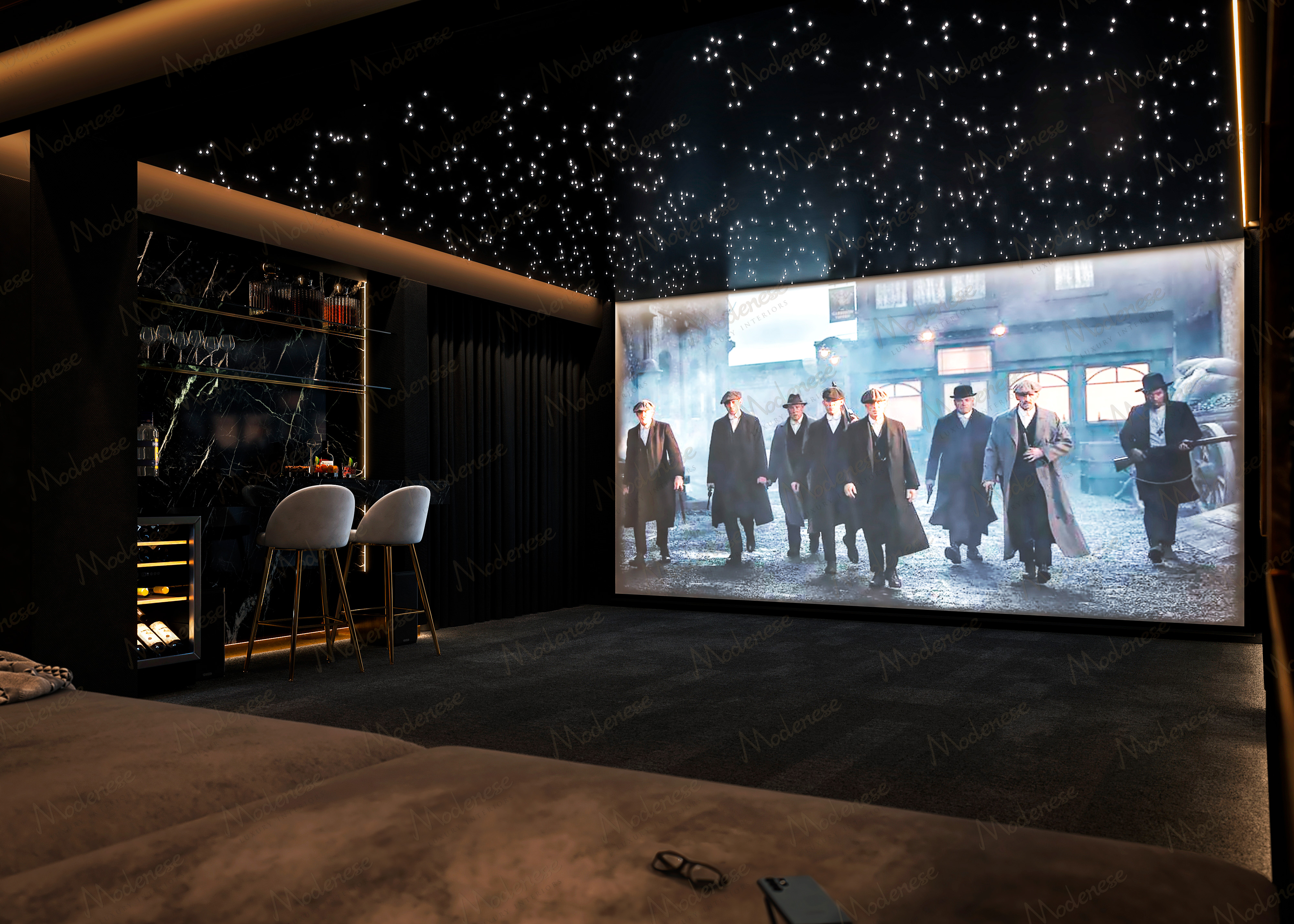
Each row must be elevated so that every viewer has an unobstructed line of sight to the bottom edge of the screen. The standard method: the viewer’s eye line in each row must clear the head of the person in the row ahead by a minimum of 100mm (the “C value”). For a typical seated eye height of 1120mm and a head clearance of 100mm, the second row riser needs to be 180-220mm high, depending on screen bottom height and row spacing.
The calculation is geometric: draw a line from the screen bottom edge to the eye position in the second row, and ensure it clears the first-row head height by at least 100mm. Each subsequent row requires a progressively taller step to maintain the same clearance angle. Row 3 often requires a 280-320mm step above row 2.
Structural Requirements
A platform supporting four 100kg seats plus four 100kg occupants across a 4-meter span carries a distributed load of approximately 200kg/m. A wood-frame riser uses 150mm x 50mm joists at 400mm centers with 22mm structural plywood decking. This assembly supports 400kg/m2 — adequate for any residential seating load. Carpet or engineered wood flooring over the plywood adds 10-15mm to the total height, which must be included in the sight line calculation.
Concrete risers (100mm reinforced slab on compacted fill) provide superior vibration isolation — deep bass frequencies from the subwoofers transmit less through concrete than through wood framing. In our Riyadh theater project, concrete platforms eliminated tactile bass bleed between rows.
Cable Management
Route speaker cables, HDMI feeds (for seat-back screens where specified), USB charging circuits, and motorized recliner power cables through channels built into the platform structure. A 100mm x 50mm cable trough routed along the center line of the platform, accessible through removable top panels, provides adequate capacity. Terminate all cables at floor boxes between seats — one box per seat pair, with IEC power for recliners, USB-A and USB-C charging ports, and optionally a cat6 network drop.
Seat Selection Criteria
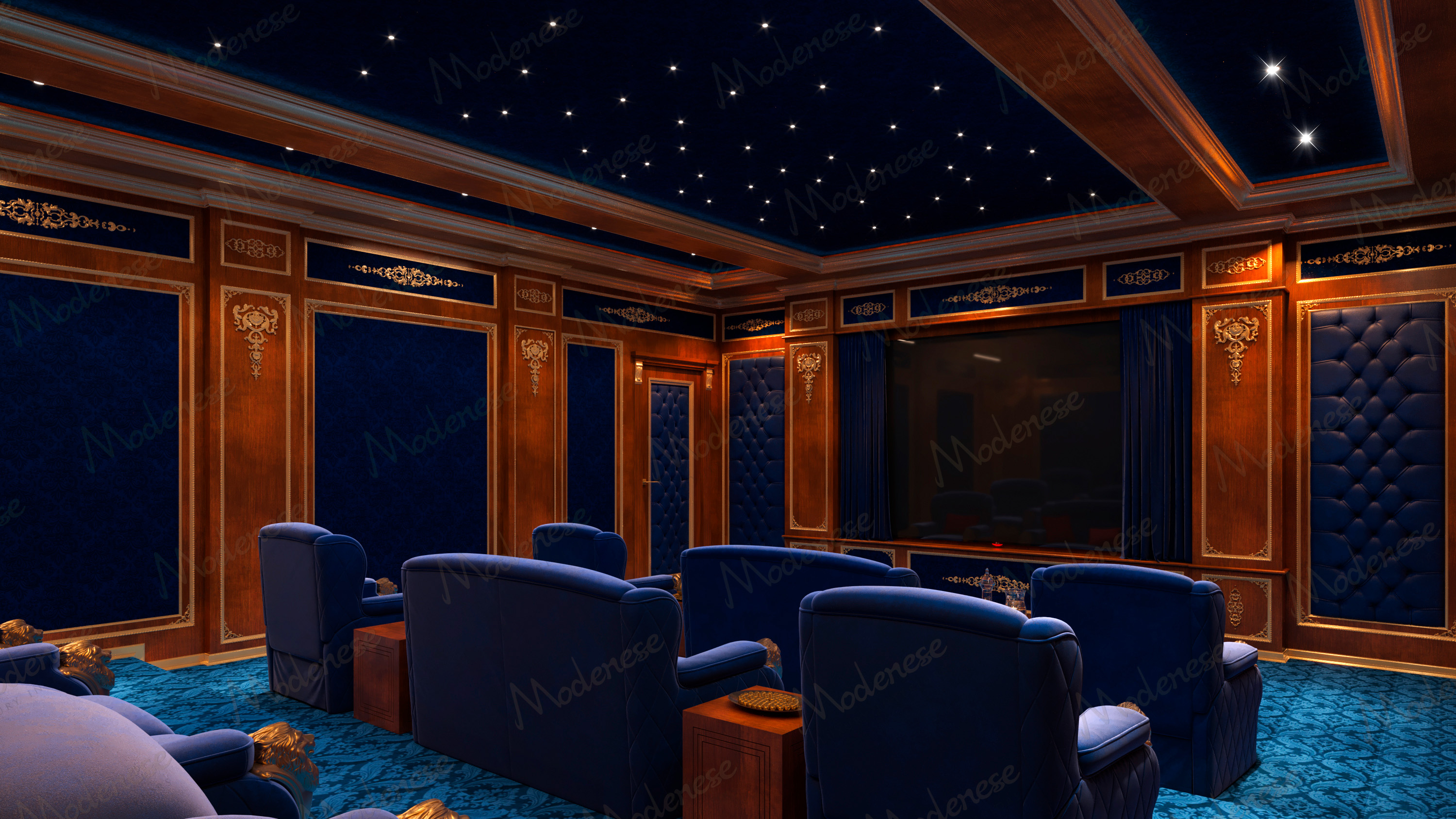
Mechanism noise is the most overlooked seat specification. A reclining mechanism that produces 35dB of noise during operation is audible during quiet film passages. Specify seats with mechanism noise rated below 30dB — this typically requires hydraulic or high-quality electric linear actuators rather than gear-driven motors. Test before purchasing; manufacturer noise ratings are often measured in anechoic conditions that don’t reflect real-room performance.
Leather upholstery reflects high-frequency sound more than fabric. In a room with tight RT60 control this reflection is minimal, but in marginally treated rooms, leather seats in the front row can bounce surround channel audio back toward the rear speakers, creating timing confusion. Perforated leather — with 1-2mm holes at 10mm spacing — resolves this by allowing some high-frequency energy to pass through into the seat cushion’s absorbent foam.
Headrest height relative to surround speaker placement matters for immersive audio formats (Dolby Atmos, DTS:X). Rear surround speakers at ear level require headrests that do not extend above the ear. A headrest that rises 200mm above ear level shadows the rear height channels and reduces spatial precision. Select seats with headrests that terminate at ear level, or choose headrests that tilt rather than extend vertically.
The acoustic environment that the seating sits within is engineered using the fabric and wood panel techniques covered in our acoustic panel design guide. Automation of seat-related systems — lighting around platforms, power management for recliners — is addressed in our smart home theater automation guide. The same design process that determines cinema seat placement applies to spatial planning in walk-in closet layouts and island kitchen configurations.