
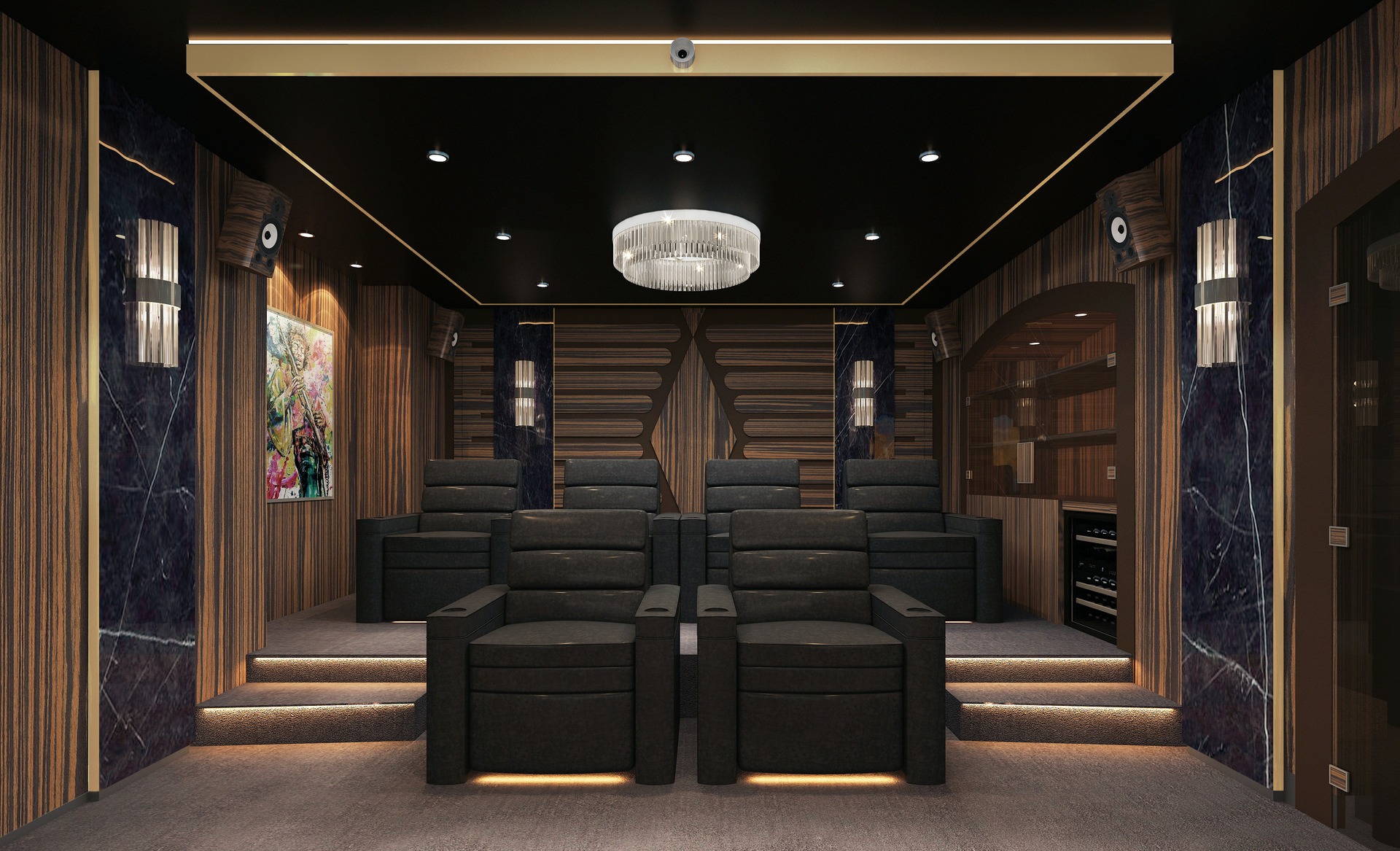
Coordinating AV and Room Controls
A luxury home theater can combine a projector, screen, audio processor, amplifiers, speakers, subwoofers, lighting circuits, HVAC controls, motorized curtains or acoustic panels, and powered seating. With a commissioned control platform, you can reduce reliance on separate interfaces, provided the equipment supports integration. The order of events and the response time depend on the selected devices, control interfaces, network and programming.
Selecting a Control System Platform
Control platforms differ in programming model, supported interfaces, local and cloud dependencies, cybersecurity controls, service access, dealer coverage and compatibility with existing equipment. Those differences settle the choice, so compare the current product documentation and driver list for every component you plan to connect.
Record exact model numbers, control methods, network and power requirements, fallback behavior, update policy and commissioning responsibility in the project schedule. Also record how you will obtain support after handover. Before final acceptance, ask to see the critical scenes demonstrated on the specified hardware.
Lighting Scene Programming
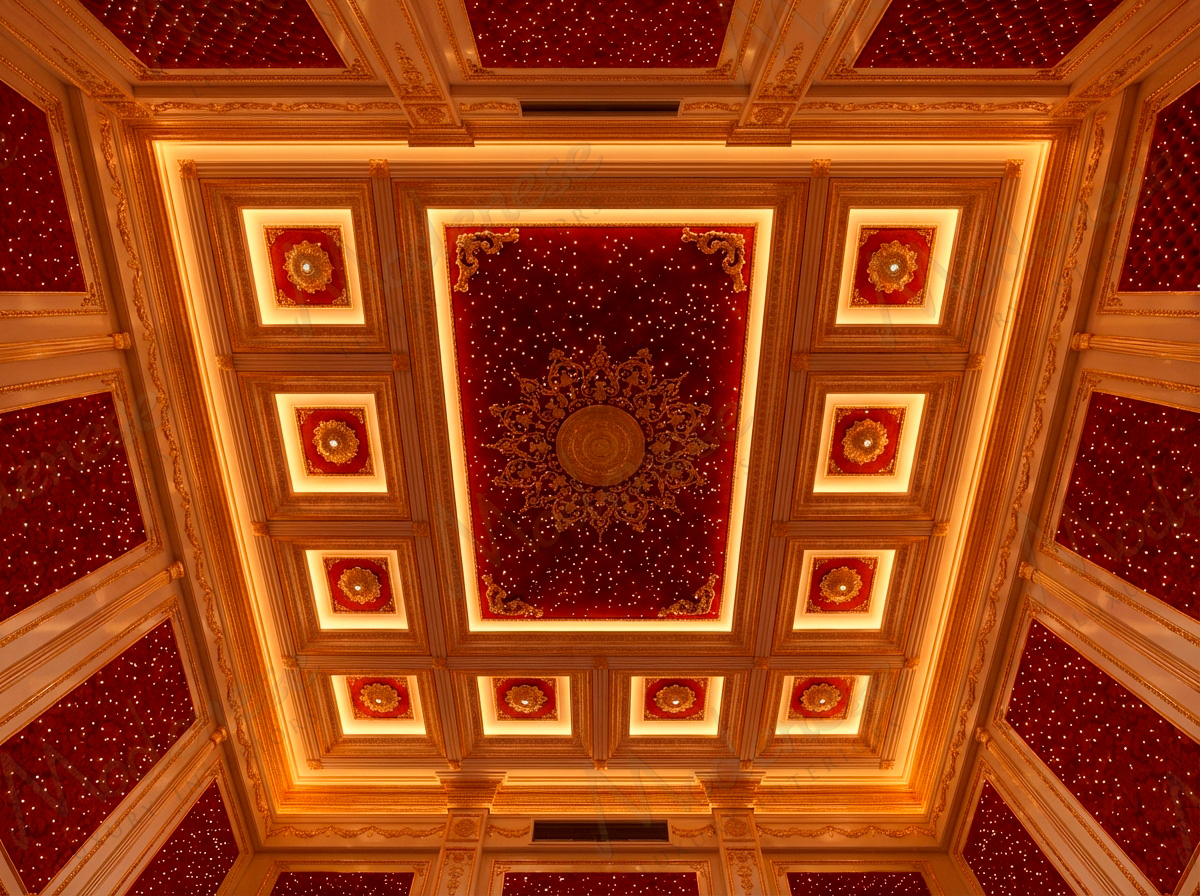
A cinema lighting system can be commissioned with defined scenes that change automatically or on command. DALI is a standardized addressable lighting-control family under IEC 62386. Other protocols can also fit a project, so compare each against the documentation for the equipment you specify.
Illustrative Scene Sequence
Welcome/Social: general, cove and platform lighting support safe circulation and normal room use.
Pre-show: general lighting moves toward the screening state while the AV system starts up and confirms that every required device is ready.
Screening: light that interferes with the image is reduced, while the safety and step lighting required by local rules stay available. HVAC can move to a commissioned quiet mode if ventilation and comfort requirements are still met.
Intermission/Pause: cove and step lighting rise to the commissioned levels. A contemporary theater can add a restrained accent wash where it does not affect safe movement or restarting playback.
Credits/Exit: lighting returns gradually to the social or exit state. Commission levels, color temperature, fade time and triggers in the finished room, with you and the responsible professionals present.
Motorized Screen and Masking Systems
A tab-tensioned motorized screen can drop from a ceiling-recessed housing and use side tensioning to keep the viewing surface flat. Confirm the manufacturer specifications for screen material, housing dimensions, control interface, deployment noise, service access and compatibility with the projector and room.
Masking and lens coordination vary with the screen, projector and controller. Establish the supported aspect ratios, masking material and movement, position feedback or limits, and control commands for the exact models, then commission every required preset.
Projector lens memory stores zoom, focus and shift positions for supported aspect ratios. Where reliable metadata and control interfaces are available, the control system can recall the stored lens preset and coordinate it with the masking position. Test each transition with the specified projector, source chain, screen and control system.
HVAC Noise Control
Define a target background-noise criterion for the room, then verify it with the applicable acoustic method. Have the mechanical and acoustic professionals coordinate duct dimensions, air velocity, diffuser selection, silencers, fan control and vibration isolation. The result must deliver the required airflow, temperature, indoor-air quality and noise performance.
During screening, automation can request a quieter HVAC operating mode, but ventilation, equipment protection, condensation control and occupant-comfort requirements keep priority. Commission the mode under representative thermal and occupancy conditions, and document how the system returns to normal operation.
For interior reflection and decay control, see the acoustic panel guide. Equipment noise, HVAC source noise and sound isolation each need separate design and verification. The seating layout guide shows how platform choices interact with actual loads and vibration paths.
Lighting-control principles can also inform walk-in closet lighting design, where the protocol and controls are selected from the documentation for the specific project. Related reading includes the kitchen and island kitchen guides.
Read more in our detailed guides to Italian kitchen engineering, walk-in closet construction and home cinema design, which explain the materials, joinery techniques and technical decisions behind handmade interiors.