
Solid wood can be a durable choice for a handmade Italian kitchen when species, moisture content, joinery, finish and the surrounding environment are considered together. In other locations, engineered panels may suit better, because they respond differently to humidity and load. This guide sets out the questions to review with your cabinetmaker.
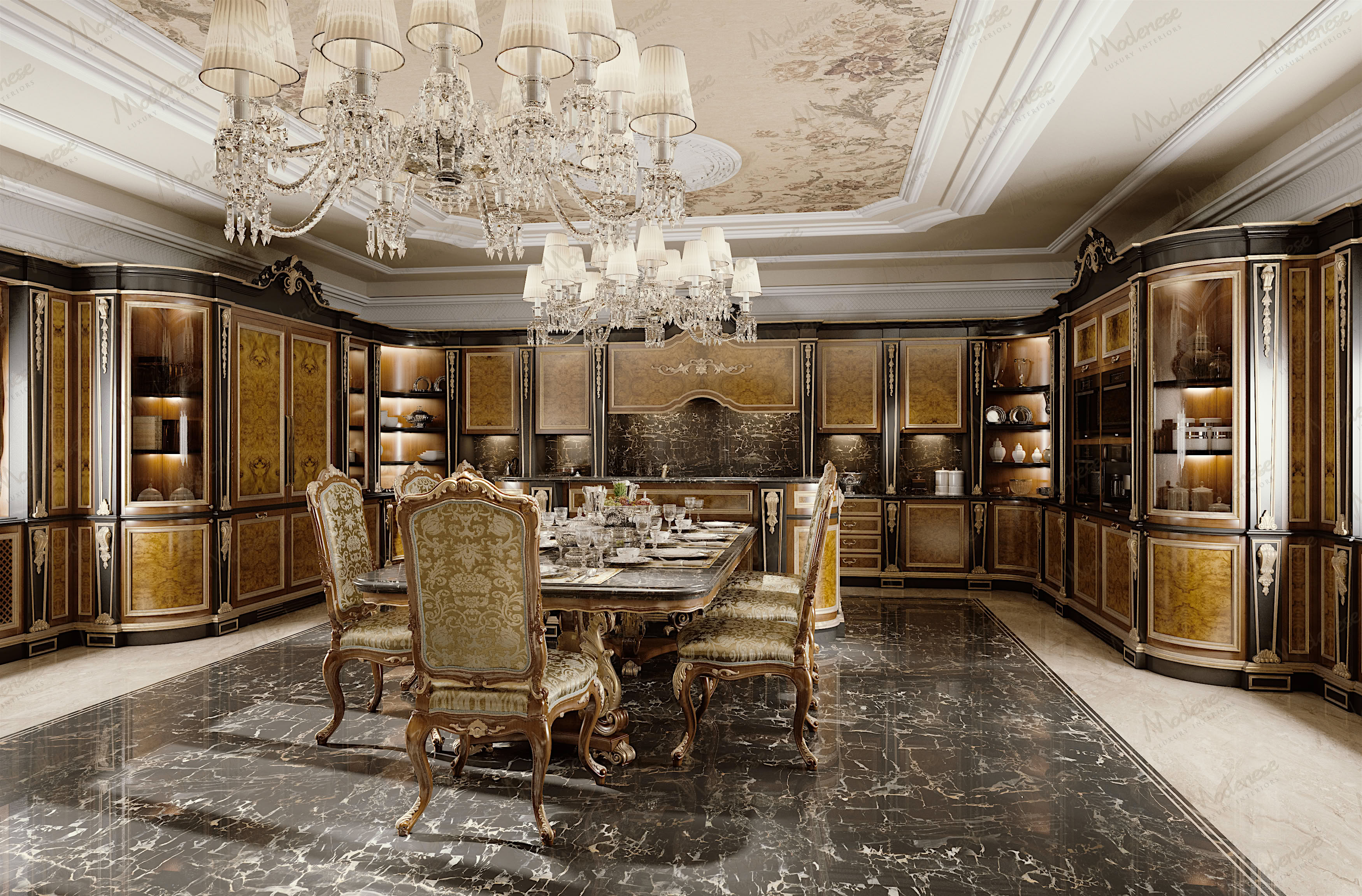
Wood Species Selection: Mechanical Properties That Matter in Kitchen Environments
Hardwoods differ in how they hold up in a kitchen, where surfaces face heat, steam, water and oils. European walnut, oak, wild cherry and European ash are useful examples because each has its own movement, hardness, grain and finishing behavior. Identify and assess the stock that will actually go into your project.
European Walnut
Walnut offers a warm color range and strong natural variation. Ask the supplier to identify the species and provide technical data on hardness, movement, moisture condition, grade, cut and defects. Inspect the boards themselves, then approve a finished sample, because finish response varies with the stock. To see finished wood surfaces, visit the Deluxe Wood page.
White Oak
Oak is available in multiple species, grades and cuts, with different density, movement, pore structure, appearance and durability. Quarter-sawn stock can show medullary-ray figure and behaves differently from plain-sawn stock, but whatever the cut, you still need to manage moisture and finish exposure. Confirm the botanical species, cut, moisture condition, intended use and coating system for the kitchen.
Wild Cherry
Cherry is valued for its fine texture and color development. Light exposure changes its appearance and can leave visible differences where objects or adjacent panels shade the surface. Review the species data, then expose a representative finished sample to the daylight and artificial lighting the kitchen will have. The Romantic page shows a warm visual palette.
European Ash
Ash offers a pronounced grain and a broad finishing range. Structural properties and finish behavior depend on species, grade, moisture, defects, cut, treatment and span. Size shelves and cantilevers from the actual material properties, supports, load, deflection criterion, connection details and local safety requirements.
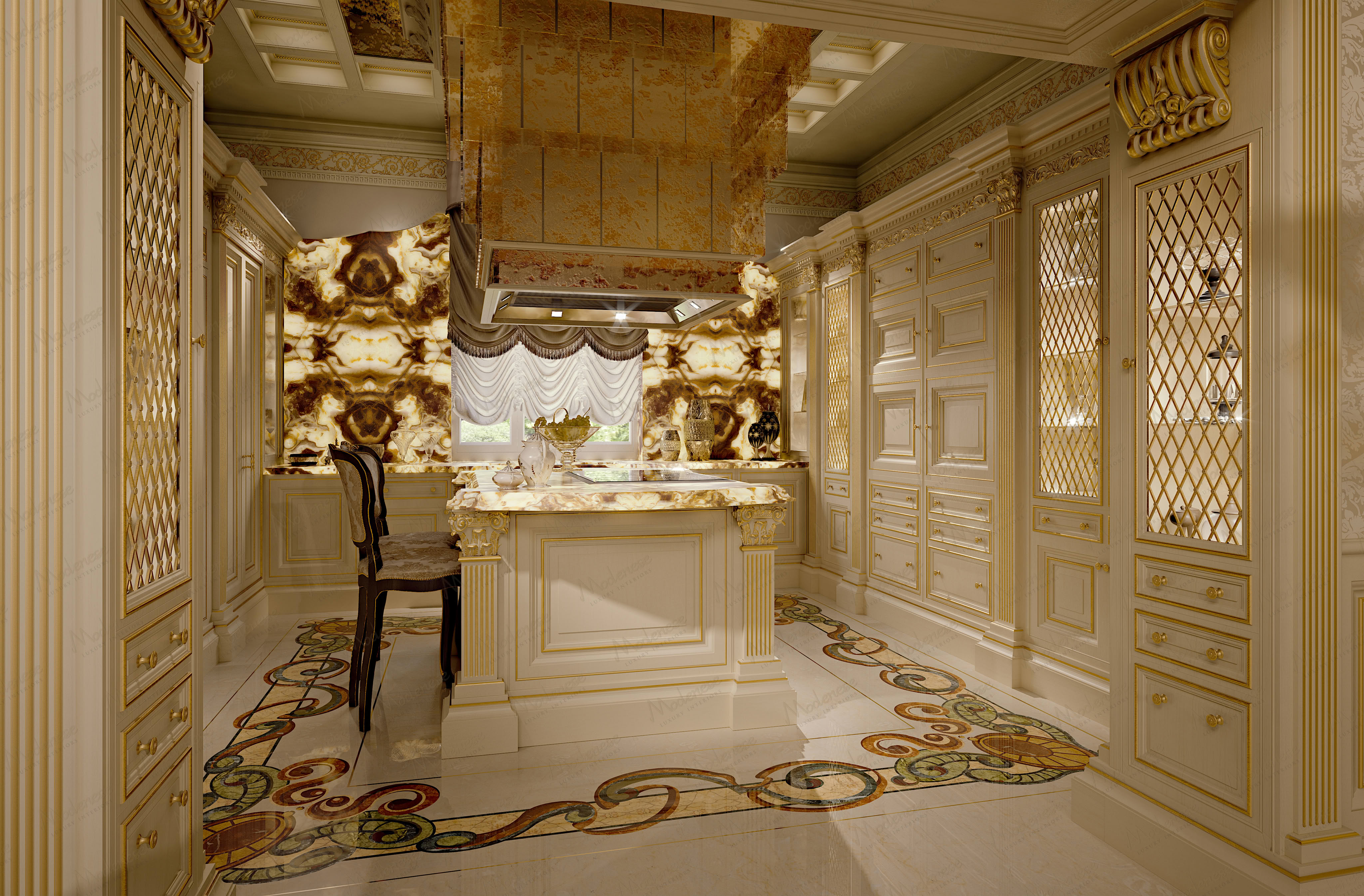
Joinery Methods: Where Structural Integrity Is Won or Lost
Kitchen cabinetry carries countertop, appliance, shelf, drawer, door, impact and installation loads while also accommodating wood movement. Put those loads in the project schedule, together with the acceptance criteria for alignment, deflection, durability and safety. Check each joint against the stock, geometry, adhesive, fasteners, workmanship and service environment.
Mortise-and-Tenon in Face Frames and Door Construction
A mortise-and-tenon joint fits a projecting tenon into a matching mortise, and it can suit frame construction when properly designed and made. Its capacity depends on the timber, grain, member and joint geometry, fit, adhesive, reinforcement, moisture, loading direction and quality control. Specify the joint and test it.
In a hybrid production workflow, CNC machining supplies repeatable geometry, while dry fitting and hand adjustment let a cabinetmaker respond to grain and fit. The acceptance criteria are the specified joint geometry, adhesive system, moisture condition and documented quality checks.
Dovetail Joints in Drawer Construction
Dovetail geometry locks the parts together mechanically and can suit solid-wood drawer boxes. Drawer performance still depends on the material, pin and tail geometry, fit, adhesive, drawer size, runner arrangement, load and production control. Use a tested drawer assembly, and follow the load and fixing instructions from the runner manufacturer.
Through- and half-blind dovetails, other mechanical joints and engineered drawer systems each carry different trade-offs in appearance, repair, movement and production. Detail the drawer-bottom support and movement allowance for the materials you select.
Tongue-and-Groove and Floating Panels
Solid wood panels change dimension as moisture conditions change, especially across the grain. Frame-and-panel construction allows for that movement. The groove, panel, clearance, retention and finish details still have to be calculated from the species data, panel width, grain orientation, expected moisture range and the tested system the maker uses. Restrained movement can cause gaps, distortion or splitting.
Seasoning and Kiln-Drying: The Invisible Foundation
Moisture content is a major input to dimensional stability. The right target depends on species, thickness, construction, workshop conditions, transport and the expected service environment. Use the USDA Wood Handbook or equivalent current technical data to relate equilibrium moisture conditions to the project. Then write the agreed target and tolerance into the specification.
Drying schedules are specific to species and thickness, and drying too quickly or unevenly can create defects that do not always show at the surface. Obtain the drying and grading documentation from the supplier, condition the stock for the production environment, and measure it with a calibrated method. Define what happens when readings fall outside the agreed range.
State in the project specification how and where moisture is measured, and how stock is conditioned before machining. Boards are commonly stickered so air can circulate on all faces. Ask the maker to confirm the target range for your species, construction and workshop conditions.
Grain Orientation and Panel Layout: Engineering Against Wood Movement
Wood movement varies with species, growth orientation, moisture range and stock. Tangential, radial and longitudinal movement differ, so base your calculations on species data and the panel orientation you will use.
Frame-and-panel construction can concentrate most cross-grain movement in a floating center panel. The rails and stiles also need suitable grain orientation, joinery, finishing, hardware clearance and installation conditions. A well-considered detail lowers the risk of a door binding or opening a seasonal gap.
Wide panels require a documented layup, adhesive system, pressing method, conditioning and flatness criterion. Board orientation alone does not make a panel flat or a glue line stronger than the surrounding wood. Follow the adhesive manufacturer instructions, and test representative assemblies wherever a failure would matter.
Combining CNC Machining with Hand Work
CNC machining and hand work serve different operations, and neither makes a better kitchen on its own. The right workflow depends on geometry, quantity, stock variation, finish, required tolerances, inspection, repair strategy and the skills and equipment of the responsible maker.
A CNC process can deliver repeatable geometry for joints, hardware positions and profiles when programming, tooling, workholding, calibration and inspection are controlled. Take the required tolerances from the joint, hardware, finish and assembly specification, and measure them on the production process itself.
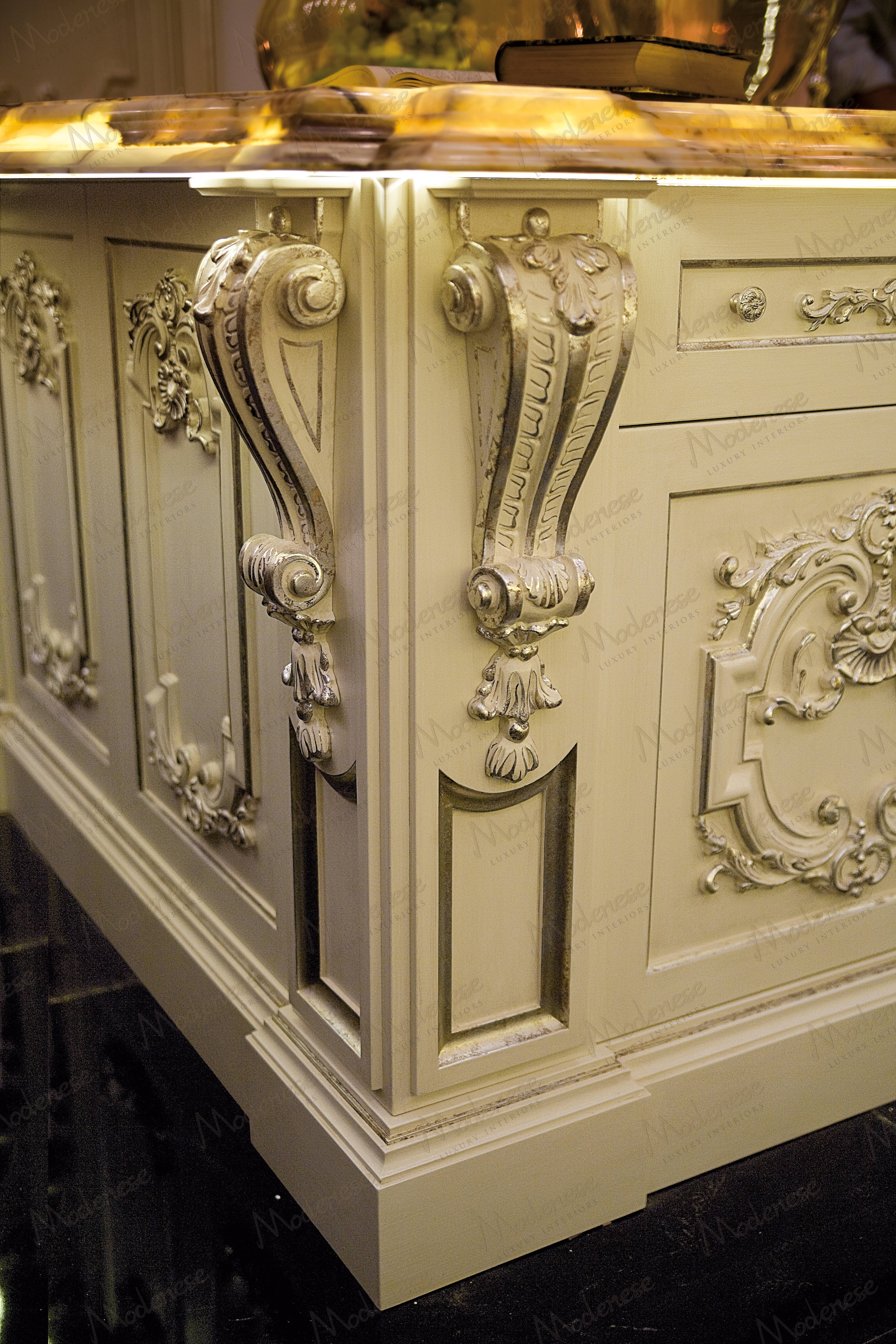
Hand work suits fitting, curved preparation, finish preparation and carving, where controlled adjustment and visual inspection are needed. Ask which operations are manual, which are CNC-assisted and which are outsourced, and have the production plan record the split.
The Royal and Luxury Classic pages show carved profiles and decorative surfaces. On carved work like this, ask whether each component is CNC-roughed, hand-carved or made through a hybrid process, and where the machine work stops.
Sanding and edge preparation follow the coating system, timber, profile, sheen and the finish manufacturer instructions. Record the preparation sequence and inspection criteria in the sample approval, so the grit progression and edge radius are agreed for your kitchen.
For architects and interior designers, these construction fundamentals shape decisions about island planning and the overall design process. Similar material questions arise in walk-in closets, architectural woodwork, wardrobe lighting and acoustic panel construction, and each application gets its own specification. Published work is collected in the kitchen projects gallery, and the carpentry page describes the scope of our work.
We publish detailed guides on Italian kitchen engineering, walk-in closet construction and home cinema design. Each explains the materials, joinery techniques and technical decisions behind handmade interiors.