
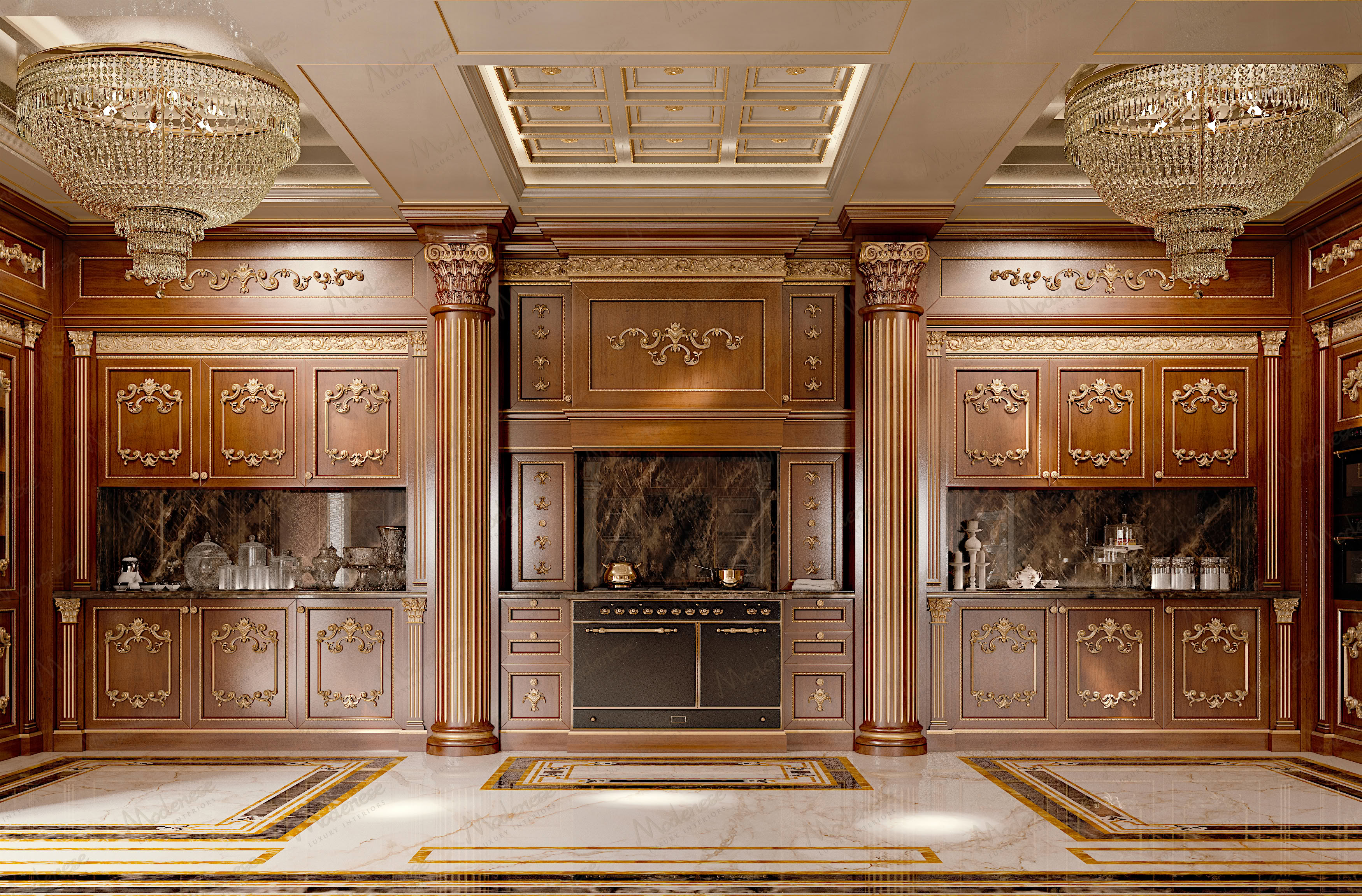
A finish shapes how a kitchen looks, how easily it cleans, how it is repaired and how it responds to heat, moisture, light, grease and cleaning products. Lacquer, patina and gilded decoration can each use different materials and application methods, so the complete tested finish system matters more than the technique name. Our kitchen pages show visual examples of these finishes.
Lacquer Finishing: Polyester vs. Polyurethane Chemistry and Application
Polyester and polyurethane are two coating families used for cabinetry. Formulations within each differ in build, cure, hardness, flexibility, sheen, repair, emissions and substrate compatibility. Choose the exact coating using current manufacturer technical and safety data, the substrate, the expected exposure, the applicable regulations and an approved sample.
Polyester Lacquer
Some polyester systems can build and polish to a high-gloss surface. Coat build, cure, sanding, polishing and recoat windows are specific to each product. Follow the application schedule and environmental controls from the coating manufacturer, and test the proposed substrate and process on a representative door sample.
Record the film thickness, the number of coats and the preparation for the approved system. A thick film alone does not determine appearance or durability, so preparation and coat count belong in the same record.
Impact, scratch, adhesion and repair behavior vary with formulation, cure, film build, substrate, edge detail and exposure. A pencil-hardness result compares coatings under stated conditions and does not predict service life. Agree on the acceptable appearance and a repair procedure with the coating supplier and the finisher.
Polyurethane Lacquer
Polyurethane systems come in multiple formulations and sheen levels. Take flexibility, build, chemical resistance, yellowing and repairability from the exact product data and the tested assembly. “Polyurethane” alone does not tell you whether a finish suits a particular household.
The Traditional Chic and Eclectic pages illustrate different visual sheens, though a photograph cannot show the coating chemistry or a gloss measurement. Where objective sheen control is required, specify the ISO 2813 measurement geometry, sample substrate, acceptance range and instrument conditions.
Specify field abrasion, wax or polishing only when the coating supplier provides written care and repair instructions that call for it. An intervention that suits one satin system can permanently alter another, especially a high-gloss, textured, metallic or aged finish.
Application Process
Spray environment, ventilation, protective equipment, gun setup, mixing, induction, flash-off, cure and waste controls all depend on the coating and on the jurisdiction. The technical and safety data for the coating define them, and a qualified finisher carries them out. Production instructions come from those documents, not from general booth conditions or transfer-efficiency figures.
Primer, color and clear layers have to be compatible with the substrate and with each other. Preparation, sanding, coat sequence, film build and cure follow the approved system and are documented on the control sample. Check adhesion, appearance, emissions and repair before production starts.
Hand-Applied Patina: Controlled Aging Techniques
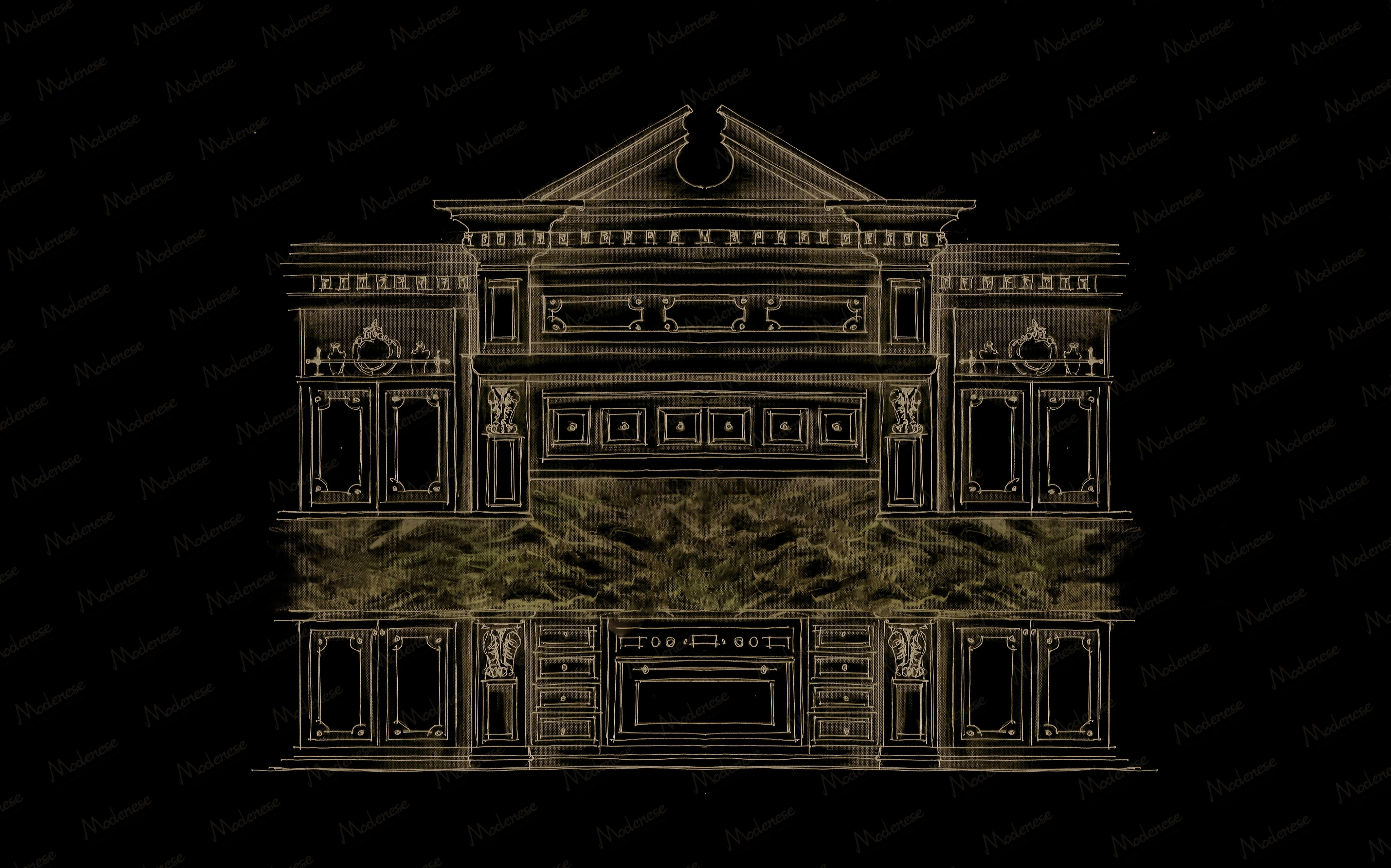
Patina finishing can create tonal variation around moldings, edges and recesses. The Luxury Classic and Romantic pages show this aged effect. For your own project, have the exact glaze, layer sequence and application location written into the specification.
The Patina Process
A patina system can combine a base finish, translucent color, selective removal or blending and a compatible protective layer. Materials, tools, open time, cure, sheen and protection vary between products. Approve the color distribution and the acceptable variation on a full-size sample. Keep that sample as the reference for production.
Hand application can create intentional variation, and “hand-applied” says nothing about durability. Record the approved effect, layer compatibility, exposure limits and repair method; drying times and gloss values come from the chosen system.
Durability and Maintenance
Patina durability depends on adhesion and compatibility across the complete layer system, clear coat included. Cleaning and maintenance follow the written instructions for the approved sample. Add wax or any other product only after the coating supplier confirms compatibility and explains the effect on future repair.
Gold Leaf Application: Water Gilding vs. Oil Gilding
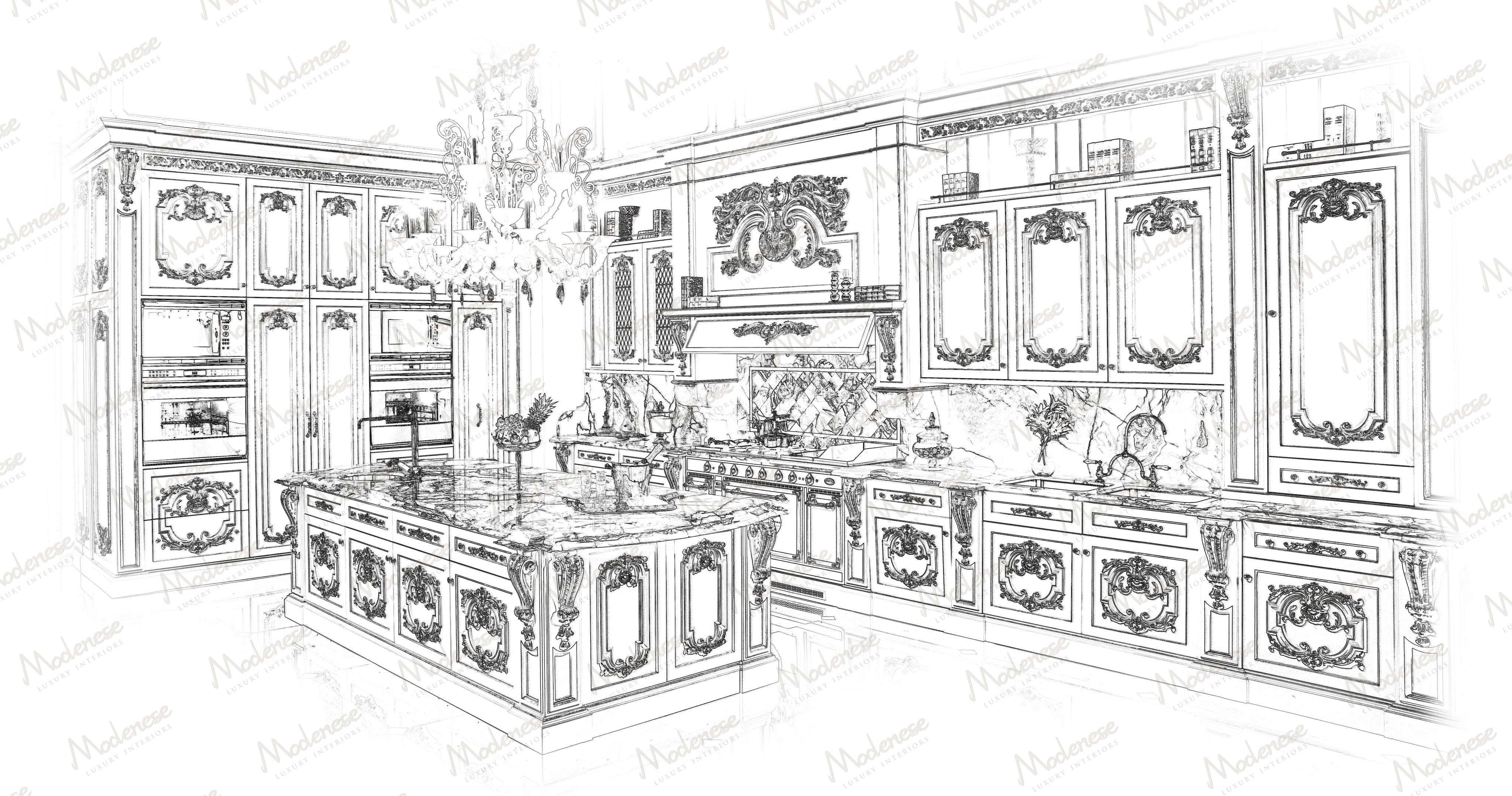
Gold-tone detailing appears on moldings and decorative elements in the Royal collection. Ask whether a gold-tone detail is metal leaf and which preparation and protection system it uses. Record both in the project documentation.
Water Gilding
Traditional water gilding can lay metal leaf over a prepared ground and bole, and the surface may then be burnished. Materials and sequence vary with the conservation tradition, substrate, desired appearance and current product system. The Canadian Conservation Institute reference offers general context only, not a specification for kitchen production.
Have a qualified gilder select and test the leaf composition, size, ground, wetting method, tools, drying, burnishing and protection for the actual substrate and exposure. Conservation examples enter a kitchen specification only after a material and safety review.
Oil Gilding
Oil-size gilding uses an adhesive chosen for the substrate and the intended exposure. Tack window, application, cure, protection and compatibility differ by product. Call a finished bond permanent only after testing under service conditions and setting a maintenance plan.
Oil and water gilding give different visual and burnishing effects. Neither is faster, simpler or more durable by default. The choice follows the sample you approve, the substrate preparation, the environmental exposure, the method of the qualified applicator and current product data.
Settle on a method only after reviewing substrate preparation, intended sheen, exposure, compatibility, repair and the tested finish system. How prominent the detail looks should not drive the choice.
How Kitchen Conditions Affect Finishes
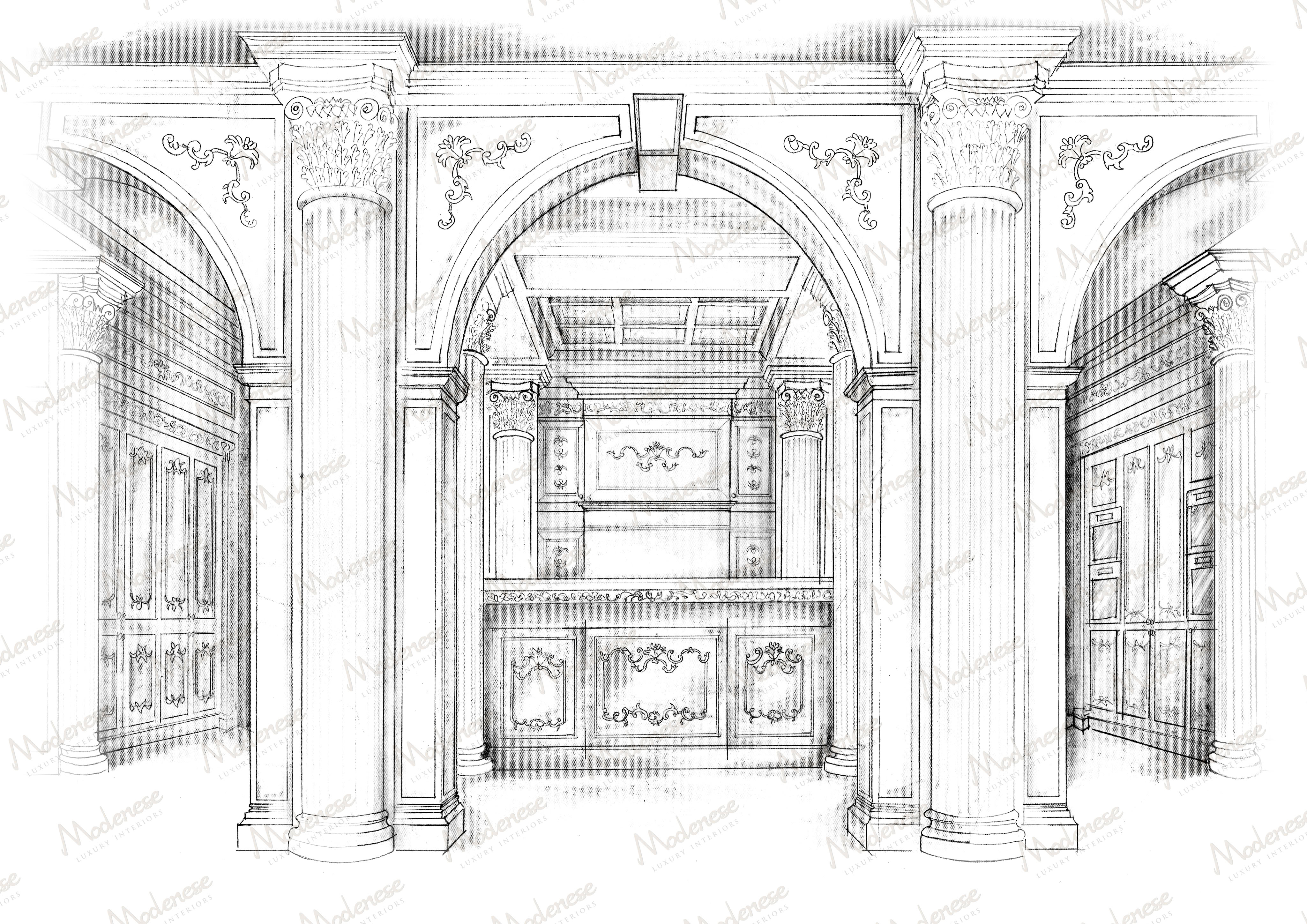
Kitchen finishes face heat, moisture, grease, daylight, impact, abrasion and cleaning chemicals. Measure or define the exposure at each location, observe appliance clearances, and work within the approved substrate, application, test data and care limits of the coating manufacturer. Set the temperature, humidity and lifespan ranges from that exposure.
Lacquer Performance
Gloss can change through cleaning, abrasion, exposure and repair. If retained gloss matters, define the test method, initial sample, acceptable change, cleaning protocol and repair limits with the coating supplier. A laboratory gloss or hardness result is a measurement, not a promise of service life.
Satin finishes can make small changes in gloss less conspicuous than a mirror finish does. Light stability and yellowing vary with the complete coating system, pigments, exposure and maintenance. For white and pale cabinetry, ask the coating supplier for the current technical data sheet and an approved sample. A generic lifespan claim or price premium is no substitute.
Patina Aging
Wear can change patina around handles and edges. Some clients accept that as part of the aesthetic, while others regard it as damage. Define the acceptable variation, touch-up boundaries and replacement expectations against the approved sample. Do not count on a patina improving with age.
Gold Leaf Durability
High-purity gold is relatively stable chemically, but decorative leaf may combine alloys, protective coatings, adhesives, grounds and substrates that each behave differently. Moisture, heat, cleaning, impact and defects can affect the complete assembly. Obtain composition and care data for the exact leaf system. Keep decoration away from exposures it has not been tested to withstand.
Gilded elements near steam, heat, cleaning chemicals or splash zones need a finish system approved for that exposure. Test adhesive, substrate, leaf, protective coating, appliance clearance and care instructions together. Take the distance from the requirements of the appliance and coating manufacturers instead of a fixed rule.
Care and Repair by Approved Finish System
Provide written care instructions for the exact coating or gilding system at handover. The document names the permitted cleaners, the prohibited products, spill response, inspection, touch-up, professional repair and any warranty conditions. A technique name such as “polyester,” “PU,” “patina” or “gold leaf” is not enough to set a care schedule.
Try any cleaner or repair method first in an inconspicuous area or on a retained sample, and follow the instructions from the finish manufacturer. Abrasion, polishing, wax, solvent, moisture and machine buffing can permanently change sheen, adhesion, color or future repairability.
Gilded and intentionally aged surfaces may call for specialist, conservation-style handling. The qualified applicator defines dusting, cleaning and repair. Keep household polish, wax and moisture away from any leaf system that has not been checked.
Coordinate the finish with substrate construction, heat and ventilation planning, cleaning, lighting and repair access during the design phase. Similar visual techniques can also appear in walk-in closets, wardrobe systems and home cinemas, where exposure and performance requirements differ. Browse the project gallery, Deluxe Wood and Royal pages for visual references, then confirm the proposed system in the project specification.
Our guides cover Italian kitchen engineering, walk-in closet construction and home cinema design, setting out the materials, joinery techniques and technical decisions behind each interior.