
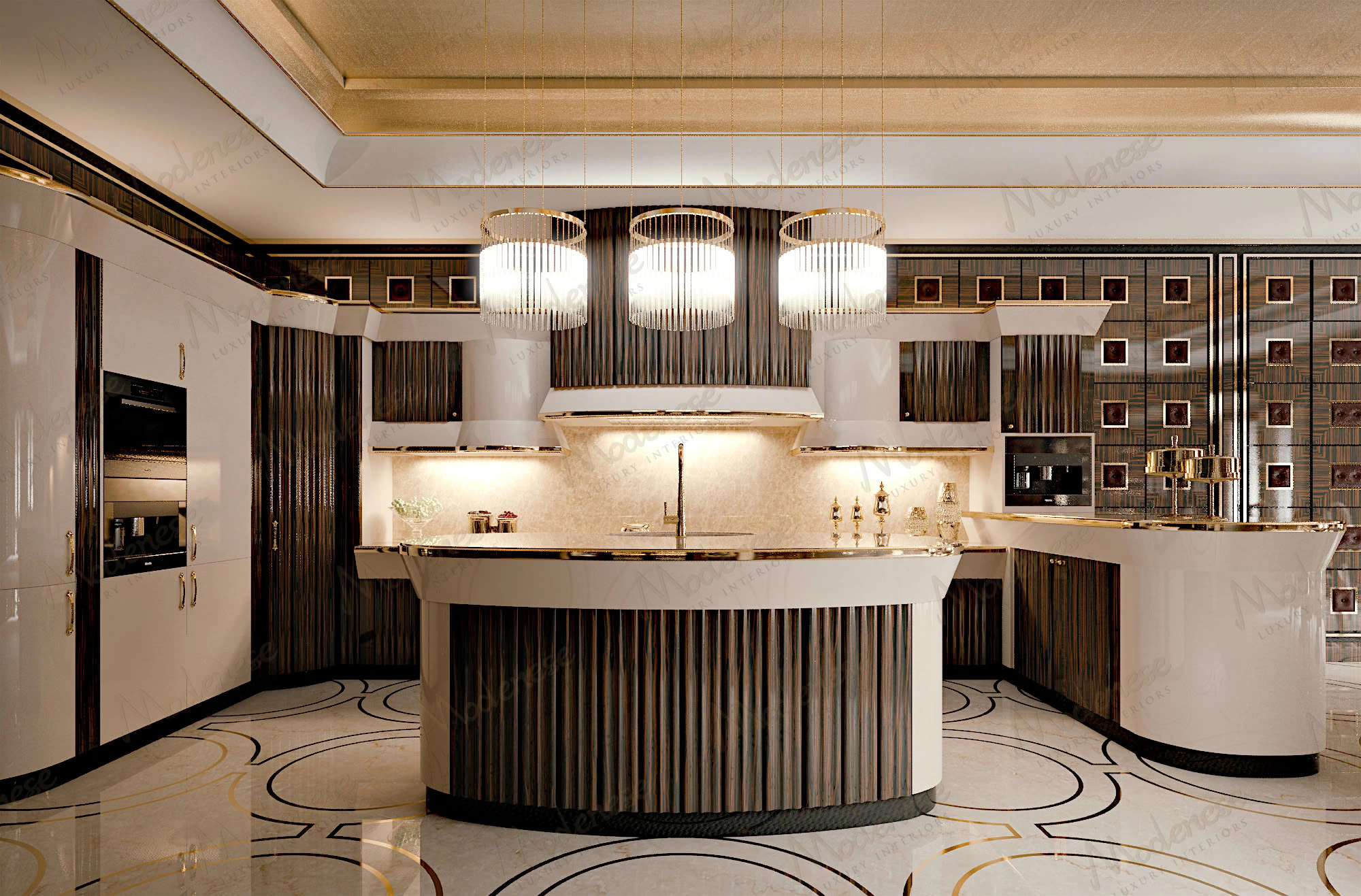
Eclectic Kitchen


Eclectic Kitchen: Where Timeless Design Meets Unrivaled Individuality
Updated:
A rustic wooden table, weathered by generations of use, stands under a sleek modern chandelier. Vintage cabinetry with hand-painted detail sits beside current appliances. Bold tiles of the kind found in a Moroccan souk run across the floor, and a marble island anchors the room. That combination of styles, eras and cultures defines an eclectic kitchen, and it gives a working room a distinct personality.
Why go eclectic?
The eclectic style grew out of a design movement of the Victorian era, when tastemakers began to mix Gothic, Renaissance and Eastern influences. It has since become a modern way to express individuality. Today the approach is to combine periods, such as mid-century chairs at contemporary counters, and textures like metal beside reclaimed wood. The room stays cohesive and still surprises.
Eclectic design began as a reaction to the strict rules of 19th-century interiors and gained ground in the 20th century, as globalization carried influences from other countries into homes. In a current eclectic kitchen you might find mixed metal finishes in brass and steel, an oversized vintage rug or open shelving with artisanal ceramics.
Sustainability is another draw: integrating vintage or upcycled pieces reduces waste.
Modenese Bespoke designs and builds kitchens to order, using materials such as Venetian glass and reclaimed Tuscan oak. Artisans complete the fully custom work. Turnkey delivery covers design, production and installation. One family has run Modenese Bespoke for seven generations. Modenese Bespoke also explains solid wood kitchen construction for handmade Italian kitchens.
A kitchen shaped by your own taste starts with a conversation about how you live. To begin, contact us and set up a consultation.
Eclectic Kitchen Design with a Deliberate Common Thread
Contrasting references hold together in an eclectic kitchen when a clear common thread organizes them. Proportion, recurring materials, finish relationships and a disciplined color direction create variety, and the room reads as one idea.
Layered lacquer, patina and leaf finishes connect contrasting elements. The related Doha kitchen project shows the idea in a residential setting. This direction stays within bespoke kitchen design, and the scheme succeeds when an intentional structure links cabinetry, surfaces and decorative details.
Stone, timber, color and metal sit side by side when one proportioning system orders the room. Functional zones stay easy to understand at a glance. The bespoke kitchen service develops that balance around the residence. In completed kitchen projects, varied references form a coherent whole.