
A bespoke interior does not end when the design is approved or when the furniture leaves the workshop. The final quality of the project depends just as much on technical development, professional installation and careful attention during every stage on site.
For Modenese, installation is part of the design process itself. It is the moment when drawings, custom furniture, natural stone, lighting and architectural details come together to create the completed interior.
Technical Planning Before Installation
Before production and installation begin, every bespoke project is translated into detailed technical drawings.
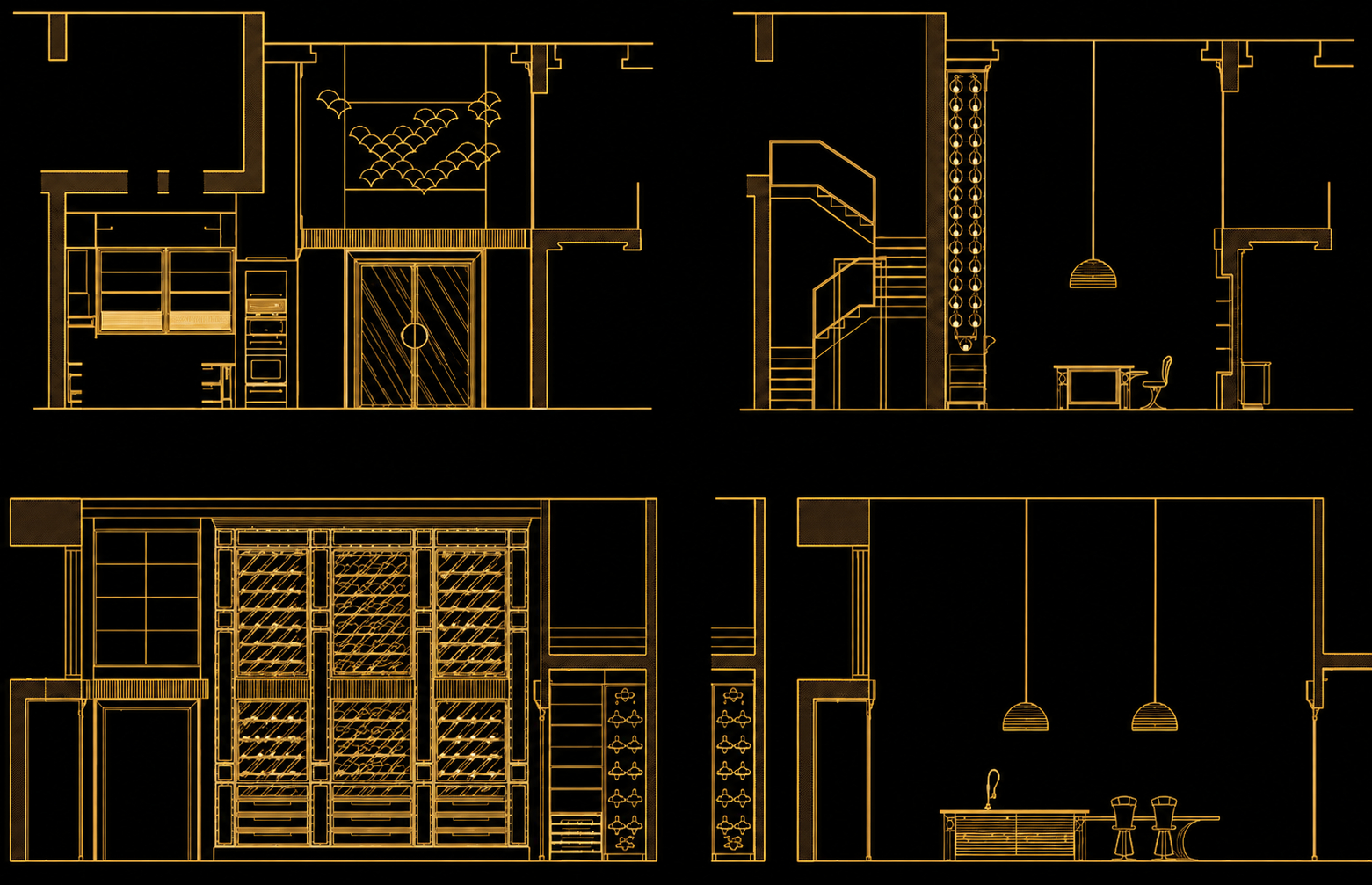
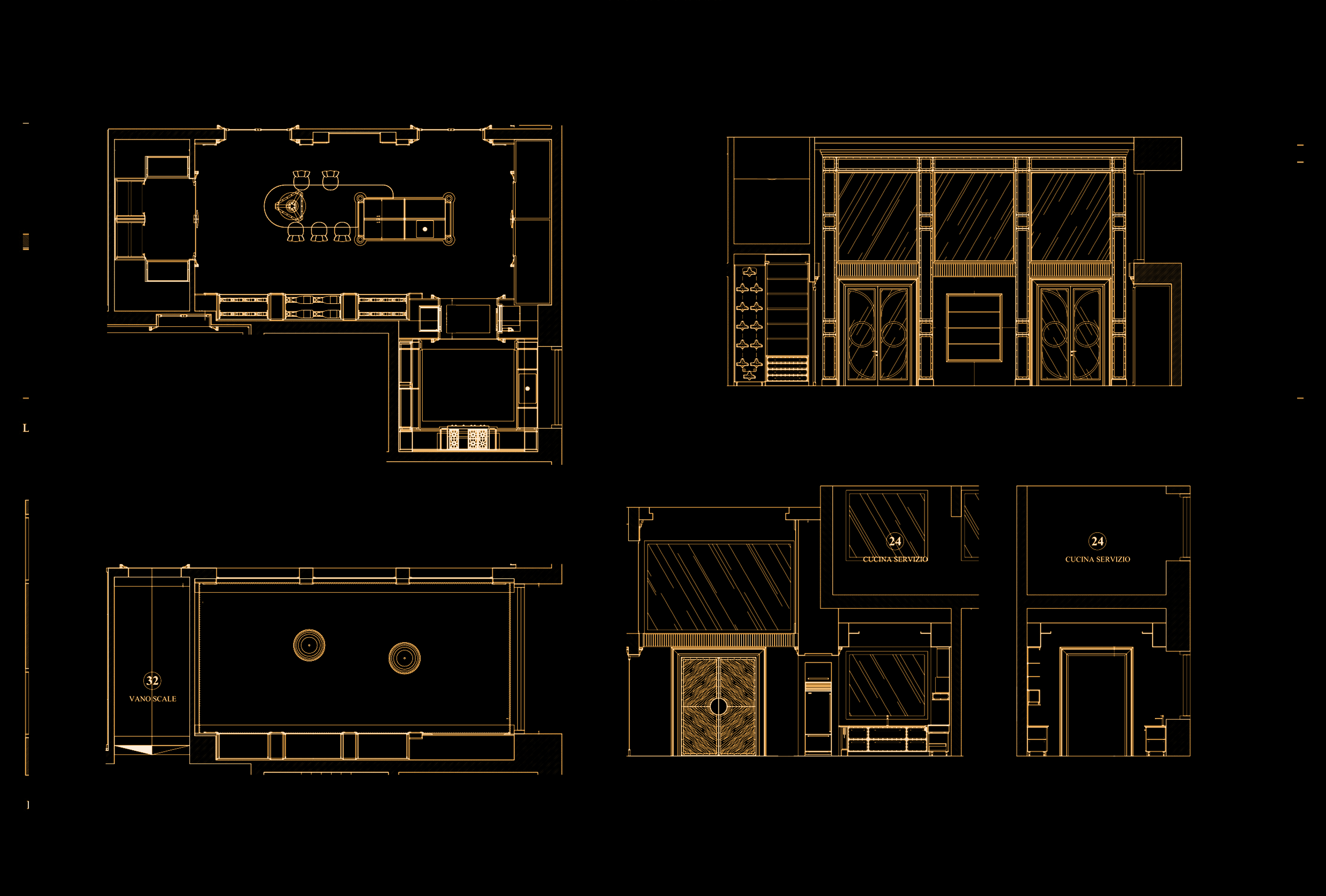
Plans, elevations and sections define the exact position and dimensions of cabinetry, doors, appliances, lighting, wall panels and architectural elements. This stage is essential because bespoke furniture must correspond precisely with the dimensions and technical conditions of the residence.
In complex interiors, even a small difference in dimensions can affect the final composition. For this reason, careful coordination between designers, technical departments, manufacturers and site teams is fundamental.
The objective is simple: every element should arrive on site ready to become part of one coherent interior.
Precision Is Essential in Bespoke Furniture Installation
Custom-made furniture is designed specifically for its location.
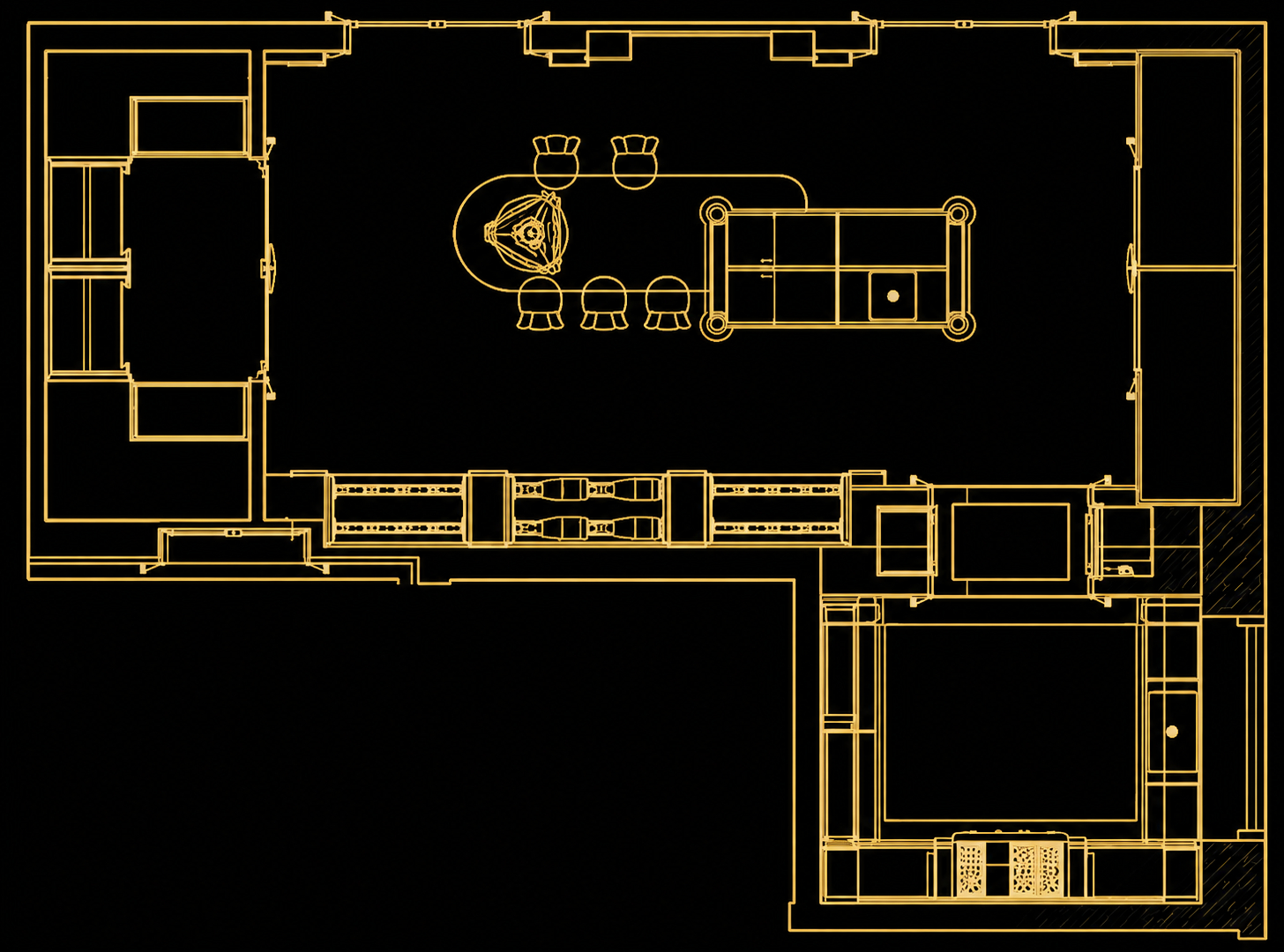
Tall cabinetry, integrated appliances, large islands, decorative panels and full-height storage systems often require millimetric accuracy during installation. Walls, floors and ceilings must be checked carefully so that the furniture aligns correctly with the architecture.
This precision becomes especially important when the project includes large-scale compositions such as full-height wine displays, integrated kitchen walls or custom architectural frames.
Installation is therefore much more than assembling furniture. It is a technical process that ensures that proportions, alignments and transitions remain exactly as they were conceived during the design phase.
Handling Premium Materials with Care
Luxury interiors frequently combine materials with very different technical characteristics.
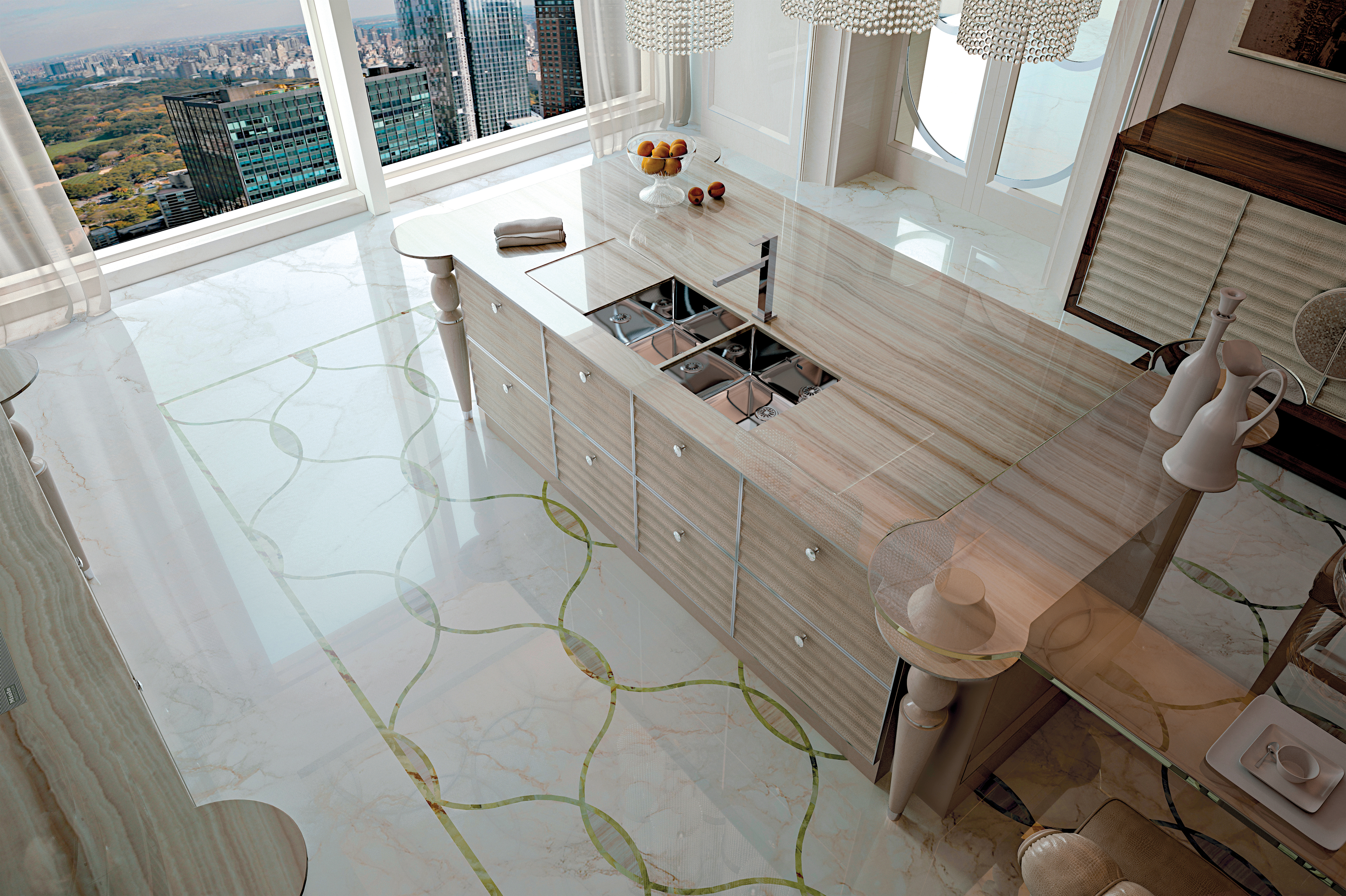
Natural stone, marble, glass, metal, fine wood veneers, lacquered surfaces and upholstery all require specific handling and installation methods.
Large stone surfaces, for example, need careful transportation and positioning to protect edges, joints and polished finishes. Veneered furniture must be handled correctly to preserve its surface, while metallic details need accurate alignment to maintain the visual continuity of the design.
The more refined the material palette, the more important professional handling and installation become.
Integrating Appliances and Technology
Contemporary luxury kitchens combine handcrafted furniture with increasingly sophisticated technology.
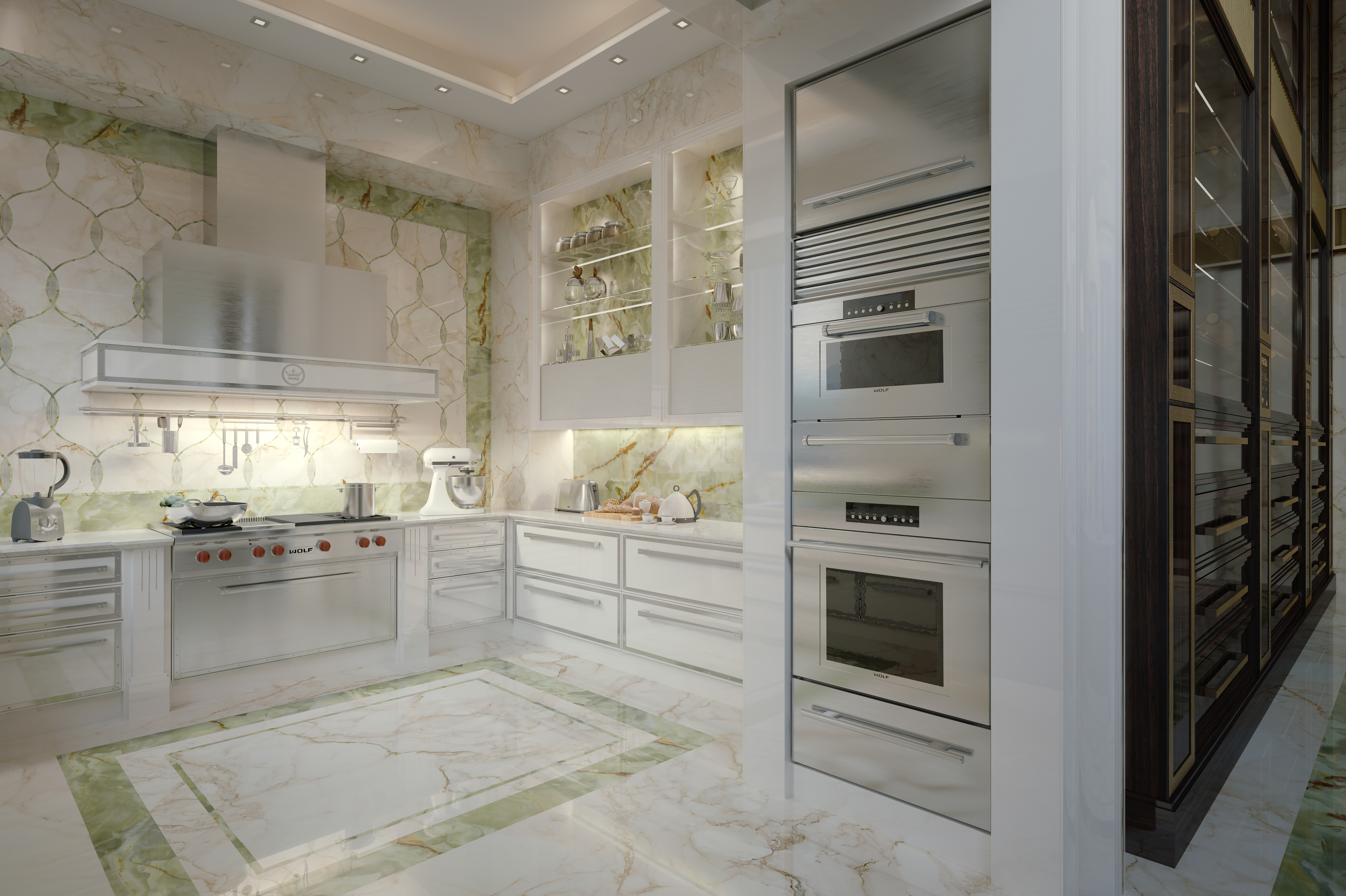
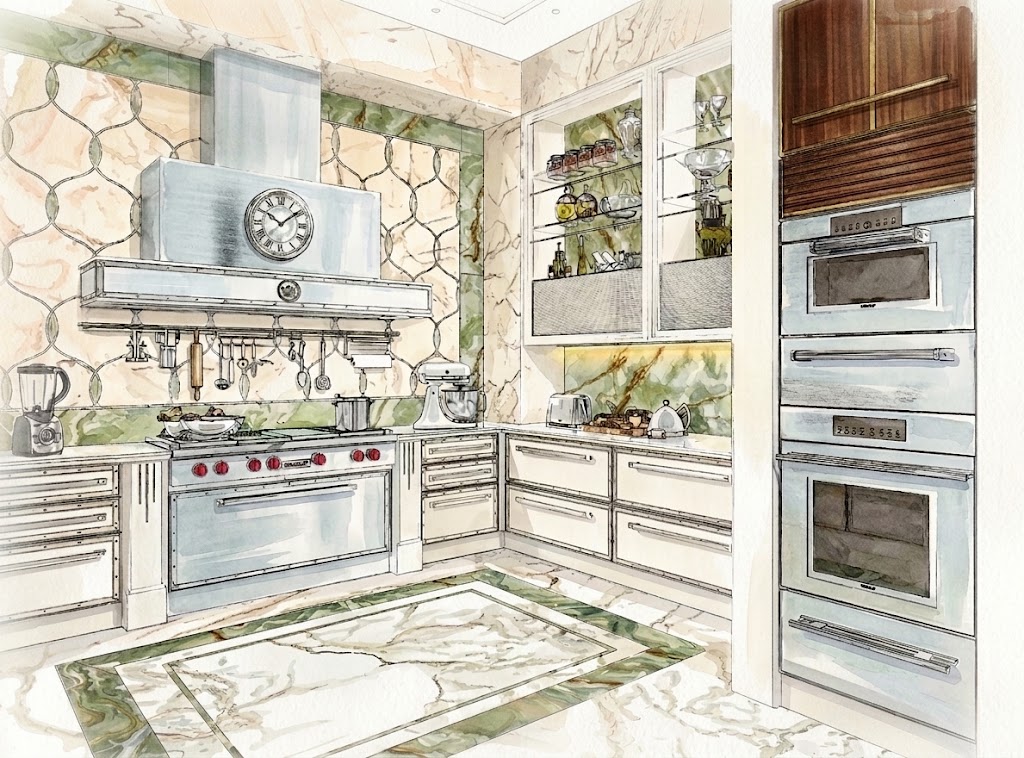
Professional ovens, refrigeration systems, wine storage, cooking equipment, lighting and other integrated appliances need to fit seamlessly within the bespoke cabinetry.
The technical drawings establish the necessary dimensions, ventilation, access and connections before installation begins. On site, each appliance is positioned and coordinated with the furniture so that functionality does not interfere with the aesthetic composition.
The aim is to create an interior where technology is present when needed but visually integrated into the architecture.
When the Kitchen Becomes an Architectural Space
In large residences, a kitchen can extend far beyond a traditional cooking area.
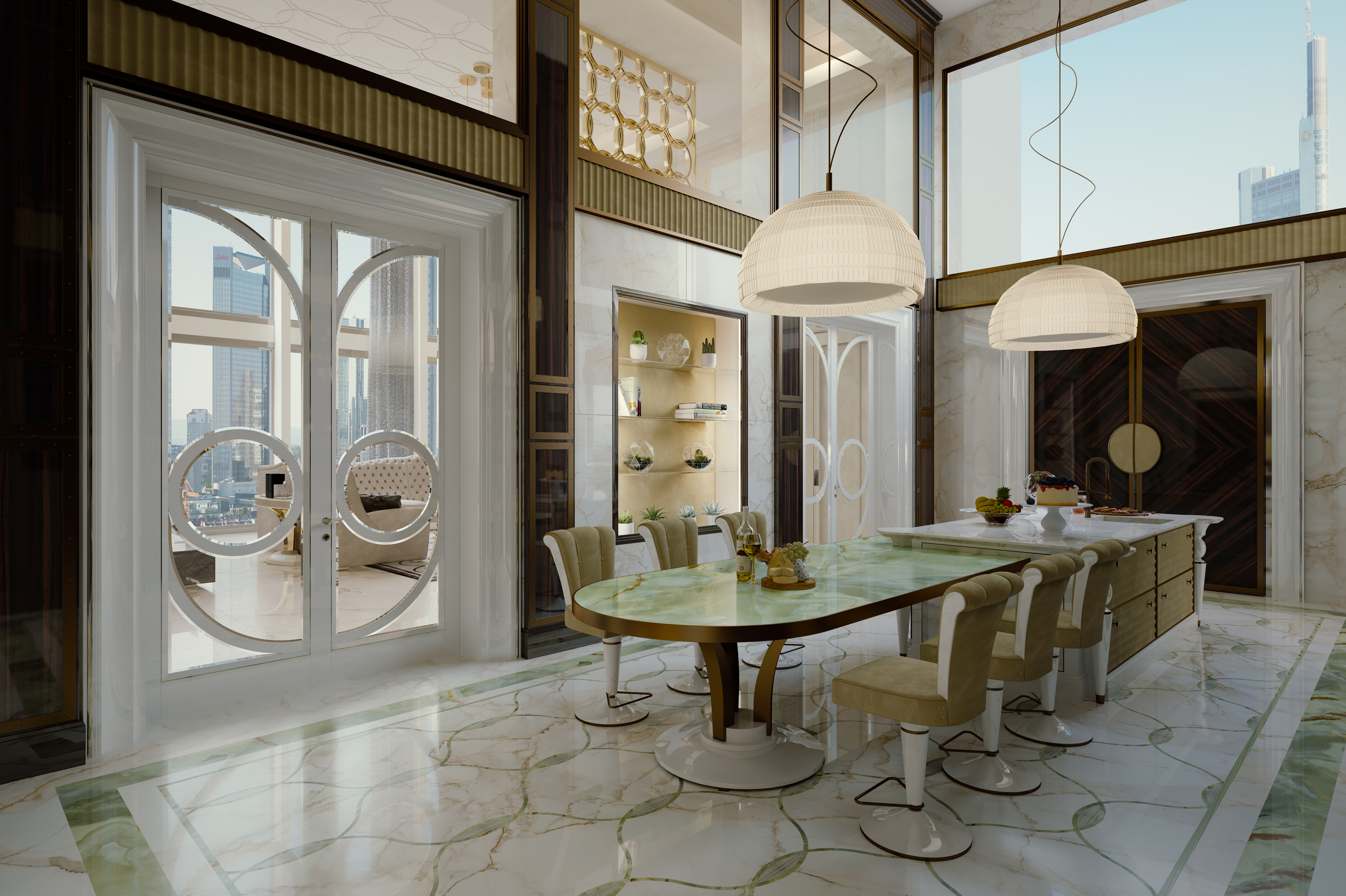
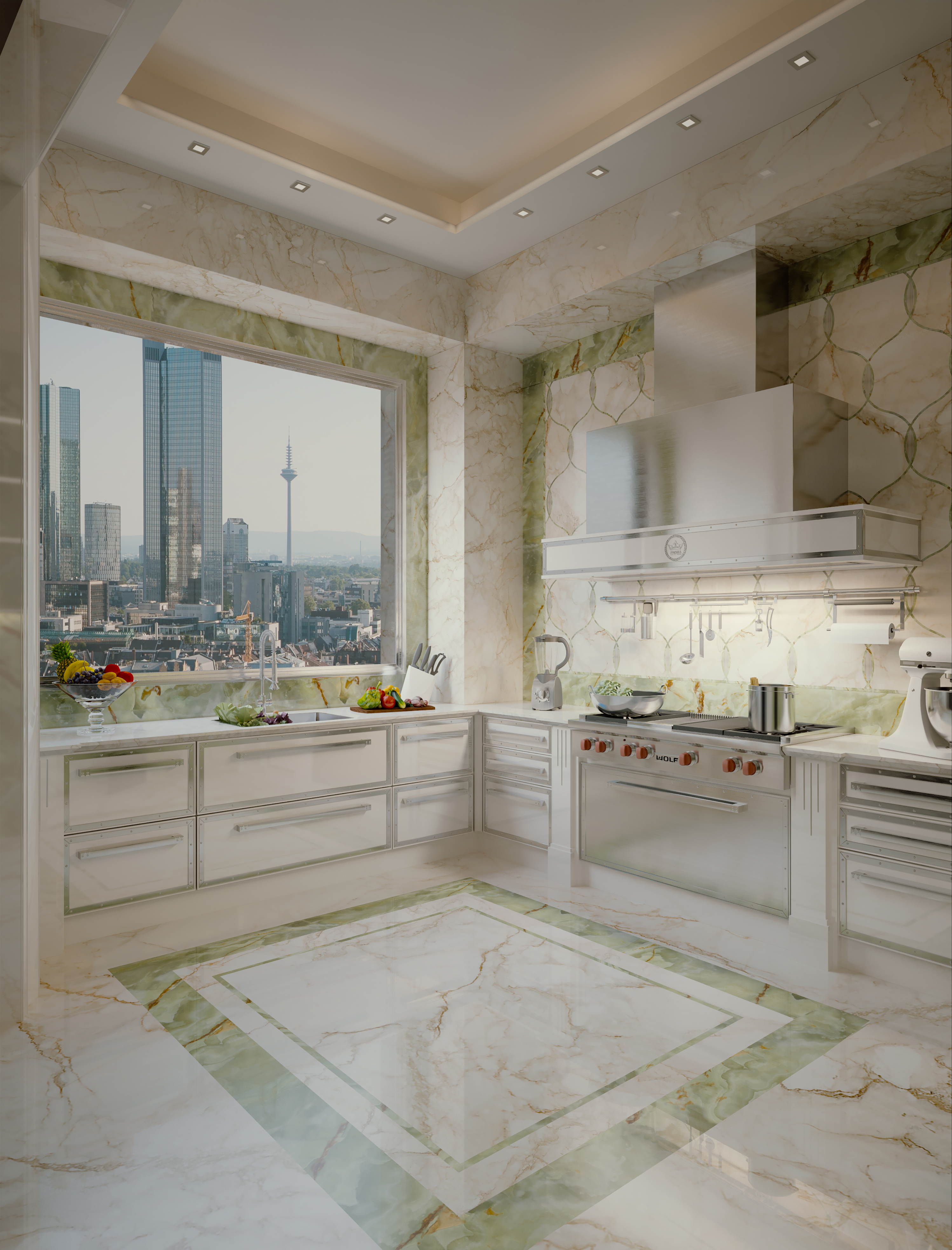
The project may include a preparation kitchen, dining area, breakfast counter, wine room, display cabinetry and architectural passageways connecting different zones.
This type of interior requires careful installation because furniture, stone and architectural details must align across the entire room.
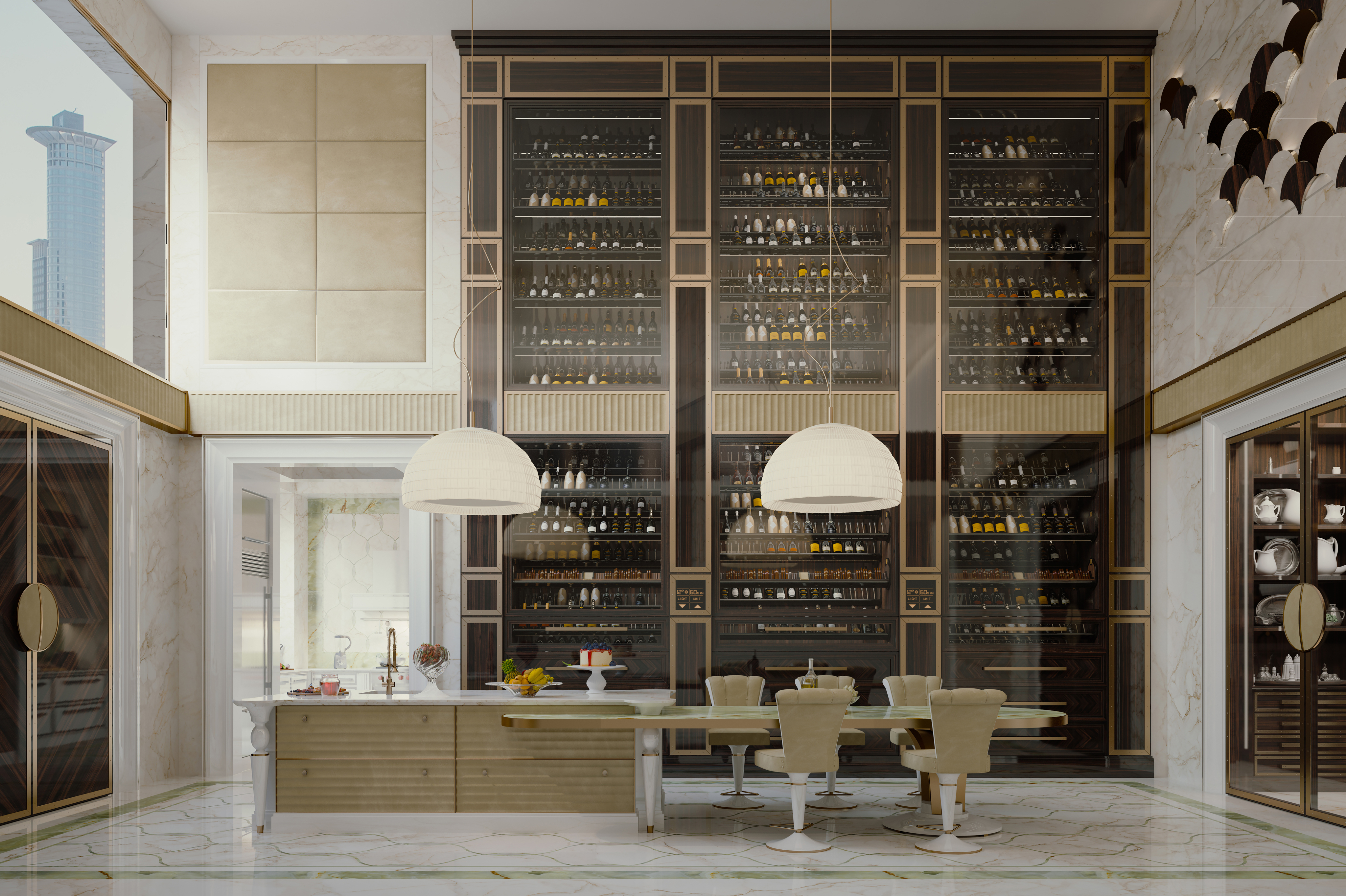
In the project shown here, the contrast between light marble surfaces, dark wood cabinetry, metallic accents and green stone details is repeated across multiple elements. The consistency of the final result depends on precise coordination during both production and installation.
Installing Bespoke Wine Storage
A full-height wine display is not simply a storage solution; it can become one of the principal architectural features of an interior.
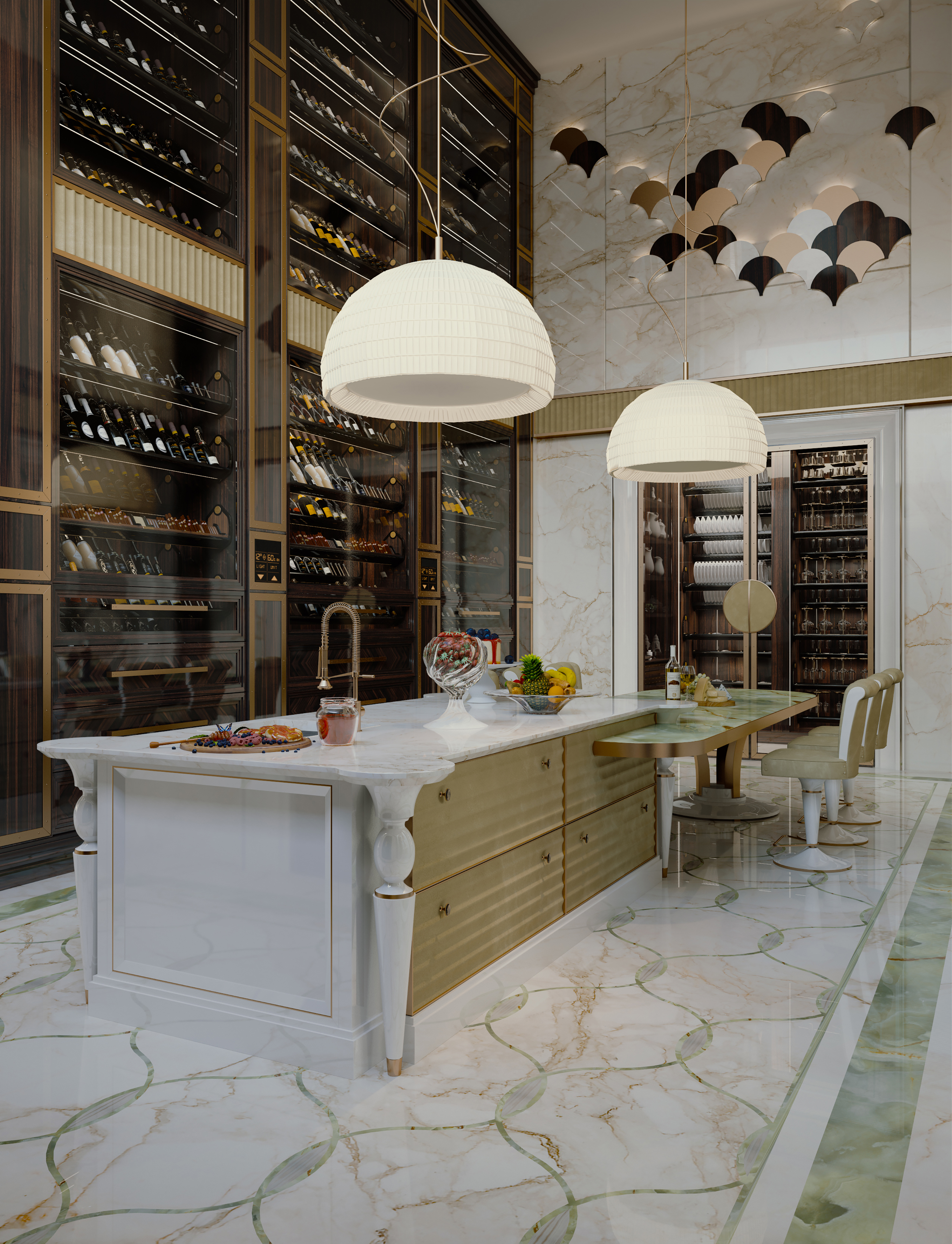
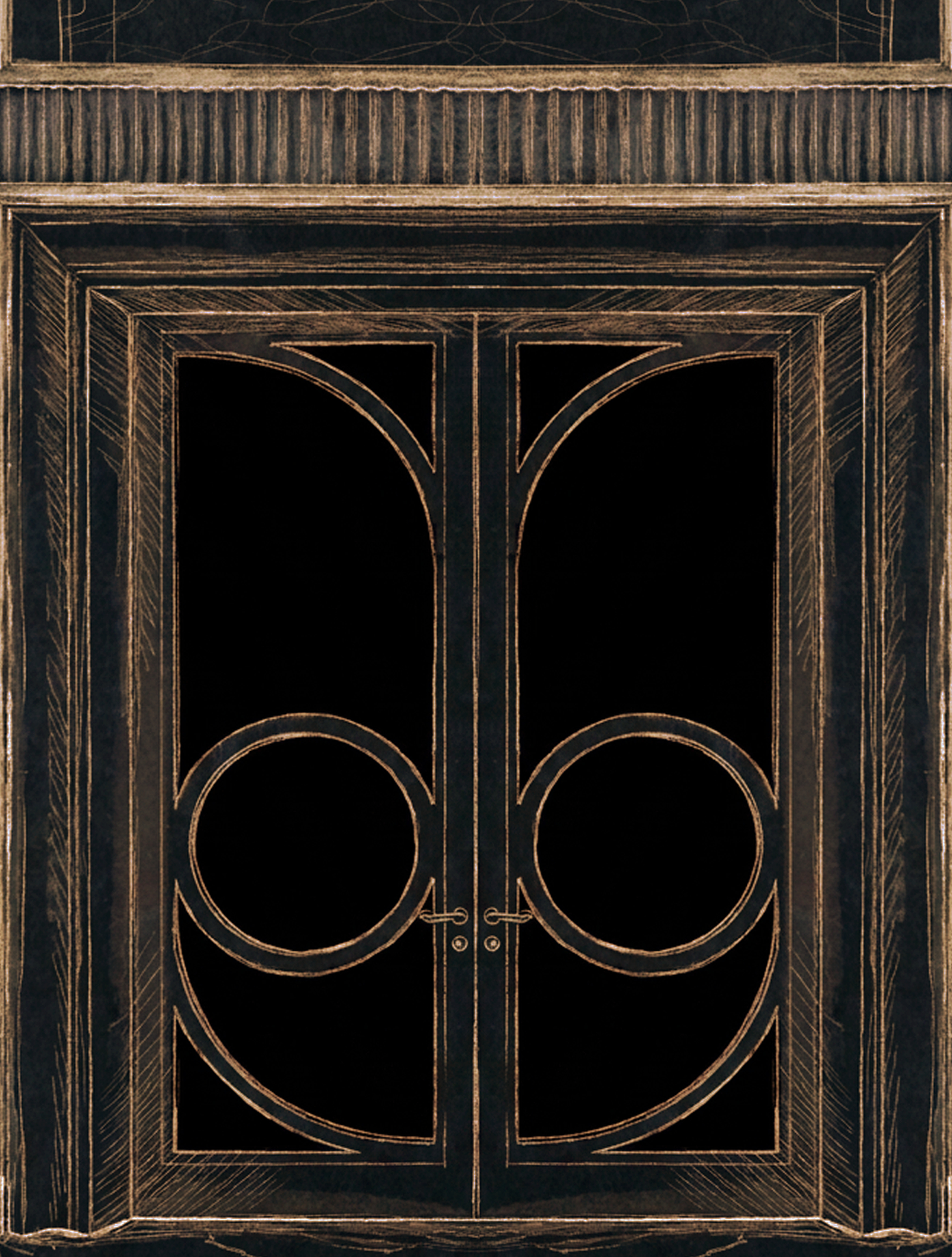
Its scale requires careful technical planning, particularly when temperature-controlled storage, integrated lighting, glass doors and custom cabinetry are combined in one composition.
The relationship between the wine display, kitchen island and surrounding architectural elements must be precisely controlled so that the installation feels intentional and balanced.
This is where bespoke design and technical execution work together: the functional element becomes part of the visual identity of the room.
Protecting the Design During the Final Stages
The final phase of installation requires particular attention.
Once the furniture is positioned, surfaces need to be inspected, adjusted and protected while other work continues in the residence. Doors and drawers are aligned, lighting is tested, hardware is adjusted and every detail is reviewed.
Natural stone, lacquered surfaces, glass and decorative metals are checked carefully before the interior is considered complete.
These finishing operations may appear small, but they make a significant difference to the quality of the finished project.
Care After Installation
The longevity of a bespoke interior also depends on correct maintenance.
Different materials require different forms of care. Natural stone should be cleaned with suitable products; fine veneers should be protected from aggressive chemicals and excessive moisture; metal and glass finishes benefit from gentle cleaning methods that preserve their original appearance.
Clients should also receive guidance regarding the maintenance of hinges, drawer mechanisms, lighting systems and integrated accessories.
A luxury interior is an investment intended to last, and proper care helps preserve both its functionality and its aesthetic quality over time.
A Complete Turnkey Approach
For Modenese, the value of a bespoke project lies in maintaining control and consistency from the first concept through to completion.
This can include interior design, technical drawings, material selection, custom furniture production, logistics, delivery, installation and final coordination on site.
By approaching the project as one continuous process, the original design concept can be protected at every stage.
The result is not simply furniture placed inside a room, but a complete interior in which architecture, craftsmanship, materials and functionality work together.
The Final Detail Matters
Luxury is often defined by details that are barely noticeable individually but become immediately apparent when considered together.
Perfectly aligned cabinetry, carefully matched veneers, correctly positioned stone, integrated lighting and precise installation all contribute to the sense of quality within a finished interior.
Professional installation and ongoing care are therefore essential parts of bespoke interior design: not the final afterthought, but the last stage of craftsmanship.